There's a reason designers reach for pale colors the moment a room feels tight. Light tones bounce the light around and seem to step back from you, so the walls feel farther away than they really are. But "paint it white and call it done" misses most of the magic. Using light colors well in a small room is about understanding how they behave — and how to keep them from feeling cold or flat along the way.
Why light colors make rooms feel bigger#
The trick comes down to how your eye reads color. Dark, warm tones advance toward you and feel cozy and close, while light, cool tones recede and seem to pull back. In a small room, that receding quality is gold: pale walls feel like they're standing a little farther off, so the whole space reads as more open than its measurements suggest. Light colors also reflect more of the light that hits them, and a brighter room always feels larger than a dim one of the exact same size.
Knowing this changes how you choose. Instead of asking "what's my favorite color," ask "what will let this room breathe." Soft whites, gentle greys, warm off-whites, pale sand, and the faintest washes of blue or green all do the receding, light-bouncing work beautifully. The lighter and softer the tone, the more it tends to expand a space — but lightness matters more than which color you pick, so you have real freedom to choose a pale shade you genuinely love rather than defaulting to plain white.
This is also why pale floors and ceilings help so much. When the surfaces above and below you stay light, the room loses its boundaries in every direction, and the ceiling in particular seems to lift. A small room with a dark floor and a dark ceiling feels like a box; the same room in soft, light tones feels like it could go on a little further than it does.
Carry one tone all the way through#
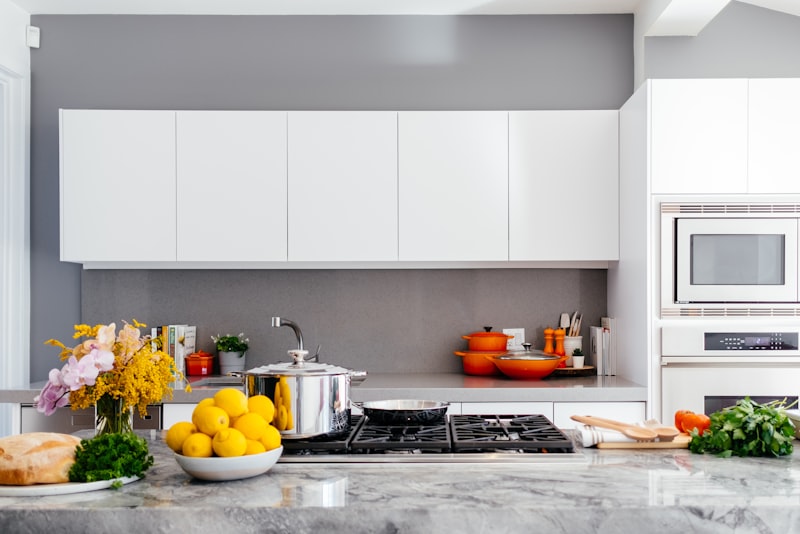
Here's the move that separates a small room that merely looks bright from one that feels genuinely open: continuity. When walls, trim, and ceiling wear the same color, or very close shades of it, the lines that normally chop a room into pieces simply dissolve. Your eye glides from floor to wall to ceiling without snagging on a single hard edge, and that uninterrupted sweep is what tricks the brain into reading the space as larger.
Most small rooms get carved up by contrast nobody planned: bright white trim against colored walls, a different ceiling tone, a door painted to stand out. Each of those crisp lines tells your eye exactly where the room stops. Erase them. Paint the trim the same color as the walls, or a shade within the same family, and the boundaries soften into one calm envelope.
In a small room, the goal isn't a wall you notice — it's a quiet, continuous backdrop that lets the room feel like one open breath instead of a series of small boxes.
Let that same tone flow into the next room too, if you can. When a pale palette carries through a doorway, the two spaces read as one connected home rather than a string of little compartments, and the whole place feels more generous. You don't have to match exactly from room to room, but keeping everything in the same gentle, light family does wonders for flow.
Read your light before you commit#
A pale color is never just one color — it shifts with the light all day long, and in a small room that shift is impossible to ignore. The same soft white can look crisp and cool in a north-facing room, warm and creamy where the afternoon sun pours in, and almost grey under a cloudy sky. So before you fall for a swatch, get to know the light your room actually gets.
Pay attention to which way the room faces and how the light changes from morning to evening. Rooms with cooler, bluer light often need a tone with a touch of warmth in it to keep from feeling clinical, while rooms flooded with warm afternoon sun can carry a cooler, fresher pale without any risk of feeling cold. The wrong undertone in the wrong light is how a "bright, airy" choice ends up looking dingy or sterile on the wall.
Always test before you commit. Live with a sample on the wall for a few days and look at it morning, noon, and night, in daylight and under your lamps. Colors lie in the can and on a tiny chip; they only tell the truth at full size, in your room, in your light. A few patient days of looking will save you from a whole room painted the wrong shade of almost-right.
Keep light rooms from feeling flat#
The one real risk with a pale palette is blandness. Strip a room down to soft, continuous light color and you can end up with something that reads as empty or cold rather than calm and open. The fix isn't to add bold color — that would undo all your spacious work — it's to add depth through texture and gentle contrast instead.
Texture is your best friend here, because it gives a light room something to catch the eye without breaking the calm. A few quiet layers do the trick:
- Mix soft materials like linen, wool, and a chunky knit so light plays across different surfaces
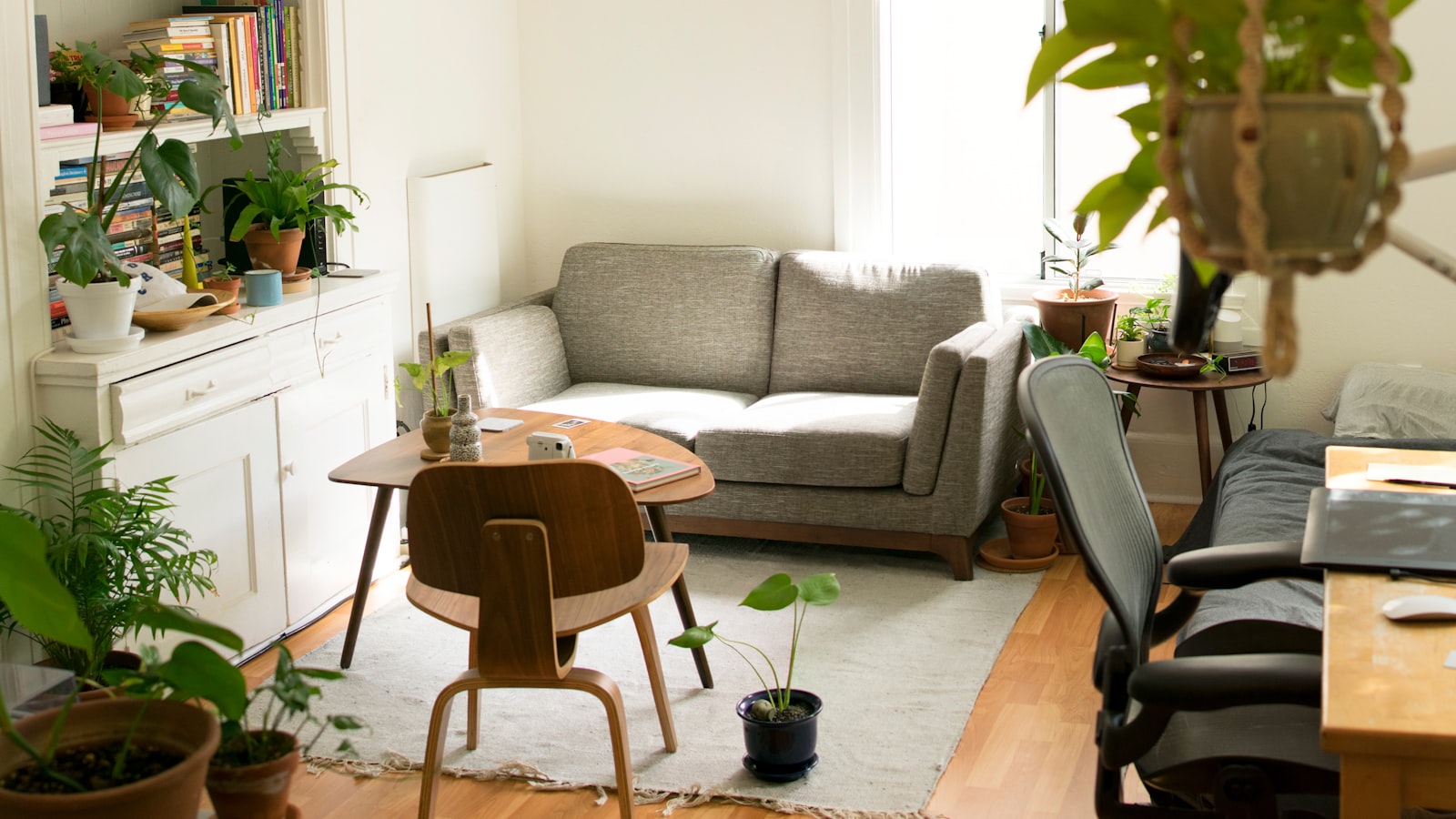
- Bring in natural textures — wood, rattan, stone, a leafy plant — to warm up a pale scheme
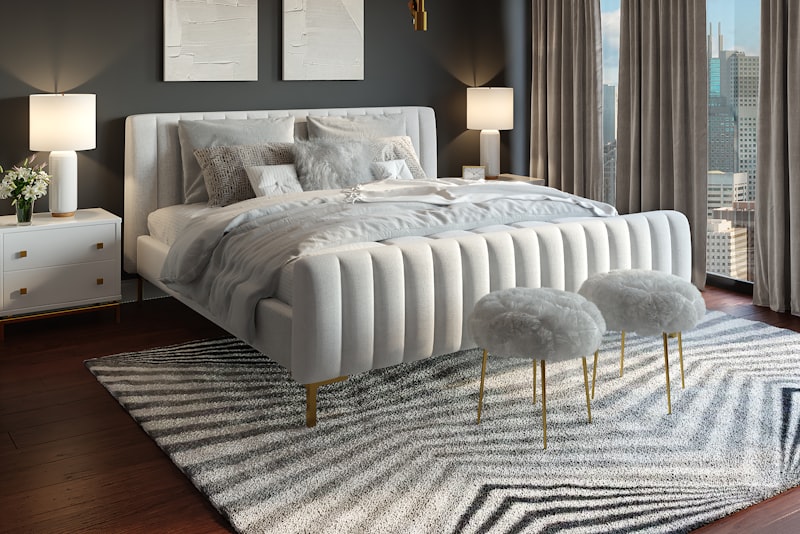
- Add a touch of soft contrast with warm metals, a deeper accent, or a tonal pattern, kept gentle so the room still recedes
Finish matters too. A flat finish keeps walls soft and forgiving, while a subtle sheen on a surface or two will pick up the light and pass it around. The point is to give a light room layers and life so it feels intentional and warm, never thin.
Light colors are one of the most reliable tools you have for making a small room feel like more than it is. Lean on tones that recede, carry one shade through the whole space to dissolve its edges, read your light before you commit, and build in texture so the calm never tips into cold. Do that, and a small room stops feeling like a limitation and starts feeling like a deliberate, airy little haven — bright, open, and entirely yours.