An accent color is the little jolt of personality that lifts a room from pleasant to memorable. It's the mustard cushion against a gray sofa, the deep teal vase on a pale shelf, the single warm thread that makes everything around it feel intentional. Used well, accents are the most fun and the most forgiving part of decorating, because a small dose of color carries a surprising amount of impact.
Start from a calm foundation#
Accent colors only work if there's something quieter for them to play against. A spark needs darkness around it to shine, and a pop of color needs calm to register as a pop. If every surface in the room is shouting, nothing stands out, and what you wanted to feel lively just feels chaotic. So the first move in using accents well is, counterintuitively, to settle the rest of the room down.
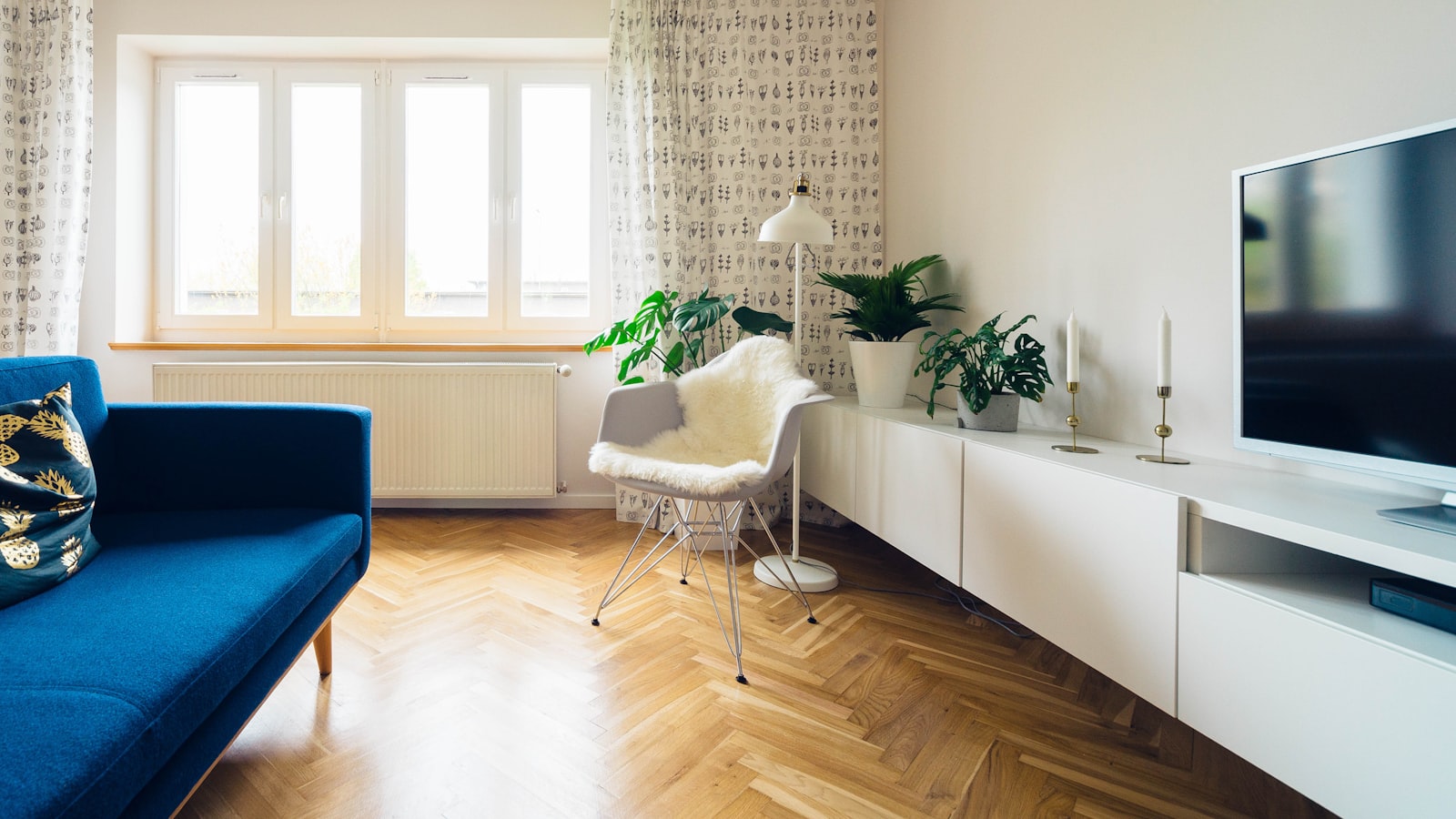
That calm base is usually built from neutrals or soft, muted tones on the big surfaces — the walls, the sofa, the rug, the curtains. It doesn't have to be beige or white; a gentle sage, a warm greige, a soft charcoal all make beautiful, restful backdrops. The point is restraint on the large pieces, so the small pieces have somewhere to perform. Think of the base as the stage and the accents as the actors stepping into the spotlight.
This is also the practical case for keeping your big-ticket items relatively neutral. A bold-colored sofa locks you into a scheme and is expensive to change your mind about. A neutral sofa lets you swap accents endlessly as your taste shifts, which means you can chase color trends or your own changing moods without a single major purchase. The calm base buys you freedom.
Keep the dose small#
The defining quality of an accent is that there isn't much of it. The moment a color spreads across too many surfaces, it stops being an accent and becomes a main color, and the room's whole balance shifts. So the discipline of accenting is really a discipline of restraint: choose your spark, then use less of it than you're tempted to.
A useful way to picture this is the rough idea of a dominant tone covering most of the room, a secondary tone supporting it, and just a small slice left for the accent. You don't need to measure anything; the proportions are the point, not the math. The accent should feel like seasoning, the pinch of salt that brings everything else into focus. A little makes the dish; too much ruins it.
An accent color is most powerful when it's rare. The cushion you notice, the vase that catches your eye — they work precisely because they're the exception in the room, not the rule.
This is why your boldest, most saturated colors belong in the accent role almost every time. A vivid coral or an electric blue is thrilling in a small object and overwhelming on four walls. Letting your most daring colors stay guests rather than hosts means you can be braver with the color itself, because you're only committing to a cushion or a lamp, not a room you'll have to live inside every day.
Repeat it so it reads as planned#
A single spot of accent color can look like an accident, as though one orange thing wandered in by mistake. The fix is repetition. When an accent appears in two or three places around a room, your eye connects the dots and reads the color as a deliberate choice — a thread woven through the space on purpose. Repetition is what separates a styled room from a slightly random one.
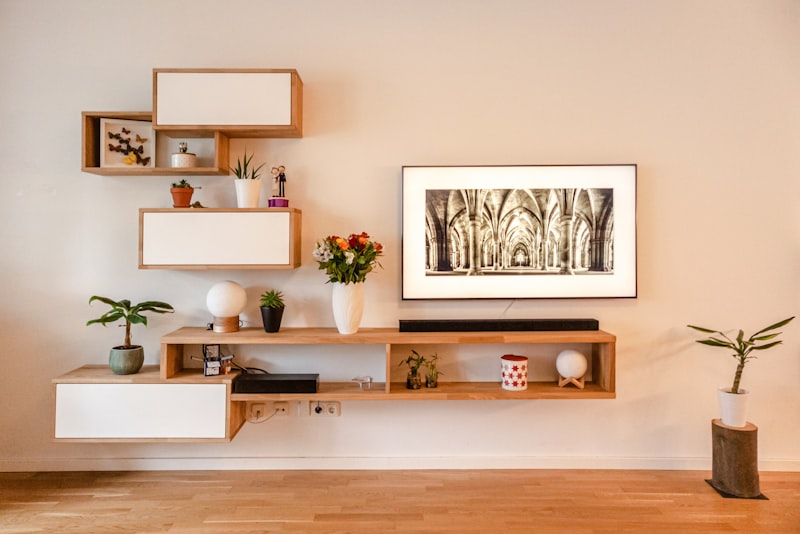
You don't need to plaster the accent everywhere; two or three appearances is usually plenty. A teal might show up as a throw on the sofa, again in a small vase on the shelf, and once more in a thin line within a piece of art on the wall. Scattering the accent at different heights and across different parts of the room creates a gentle rhythm that pulls the whole space together. The color travels, and the room feels composed.
It also helps to vary how the accent appears so the repetition doesn't feel mechanical. The same color can be a soft textile in one spot, a glossy ceramic in another, and a matte painted object in a third. Same hue, different textures and finishes — that variety keeps the repetition from looking like a matched set while still doing its unifying work. You're aiming for a coherent thread, not a row of identical objects.
Choose accents you can change#
The smartest place to put your accent color is in the things that are easy to swap. Cushions, throws, vases, candles, small artworks, table linens, books on a shelf — these are the inexpensive, low-commitment pieces that let you change a room's whole accent scheme in an afternoon. Anchoring your accent in changeable items keeps your decorating flexible and keeps a bold color from becoming a regret.
This flexibility is genuinely freeing. It means you can lean warm in the cooler months and fresh in the warmer ones, follow a color you've fallen for without fear, or completely reset a room's mood for the cost of a few cushion covers. The expensive, permanent pieces stay calm and neutral; the cheap, swappable ones carry all the color and all the risk. That's the arrangement that lets you play.
A few easy places to hold an accent:
- Cushions and throws, the fastest way to add or change a color.
- Vases, bowls, candles, and small objects on shelves and tables.
- A piece of art or a print whose palette echoes your accent.
If you do want a more permanent hit of accent color — a painted door, a single bold wall, a tiled niche — keep it to one well-chosen spot and commit to it knowingly. A small, deliberate area of saturated color can be a wonderful anchor for all the lighter accents around it. Just go in with eyes open, since walls and tile are far more work to undo than a cushion you've grown tired of.
Let the spark be yours#
Accent colors are where your home gets to show its personality, and the rules around them are gentle ones. Build a calm base so the accents can shine, keep the dose small so they stay special, repeat each one a few times so it reads as planned, and lean on changeable pieces so you stay free to evolve. Hold to those simple ideas and almost any color you love can earn its place.
So pick the hue that makes you happy — the one you keep gravitating toward in shops and other people's homes — and let it appear in a few small, well-placed moments around your calm, comfortable rooms. That's all an accent really is: a little courage, used sparingly and repeated with intention. Trust your eye, start small, and let your favorite color be the spark that makes the whole place feel unmistakably like yours.