There's a quiet pleasure in walking into your living room and feeling that it matches the day outside the window. Decorating for the seasons isn't about a closet full of holiday bins or a whole new look four times a year. It's about a few thoughtful swaps that keep your home feeling alive and in step with the world around it.
Build a base that stays put#
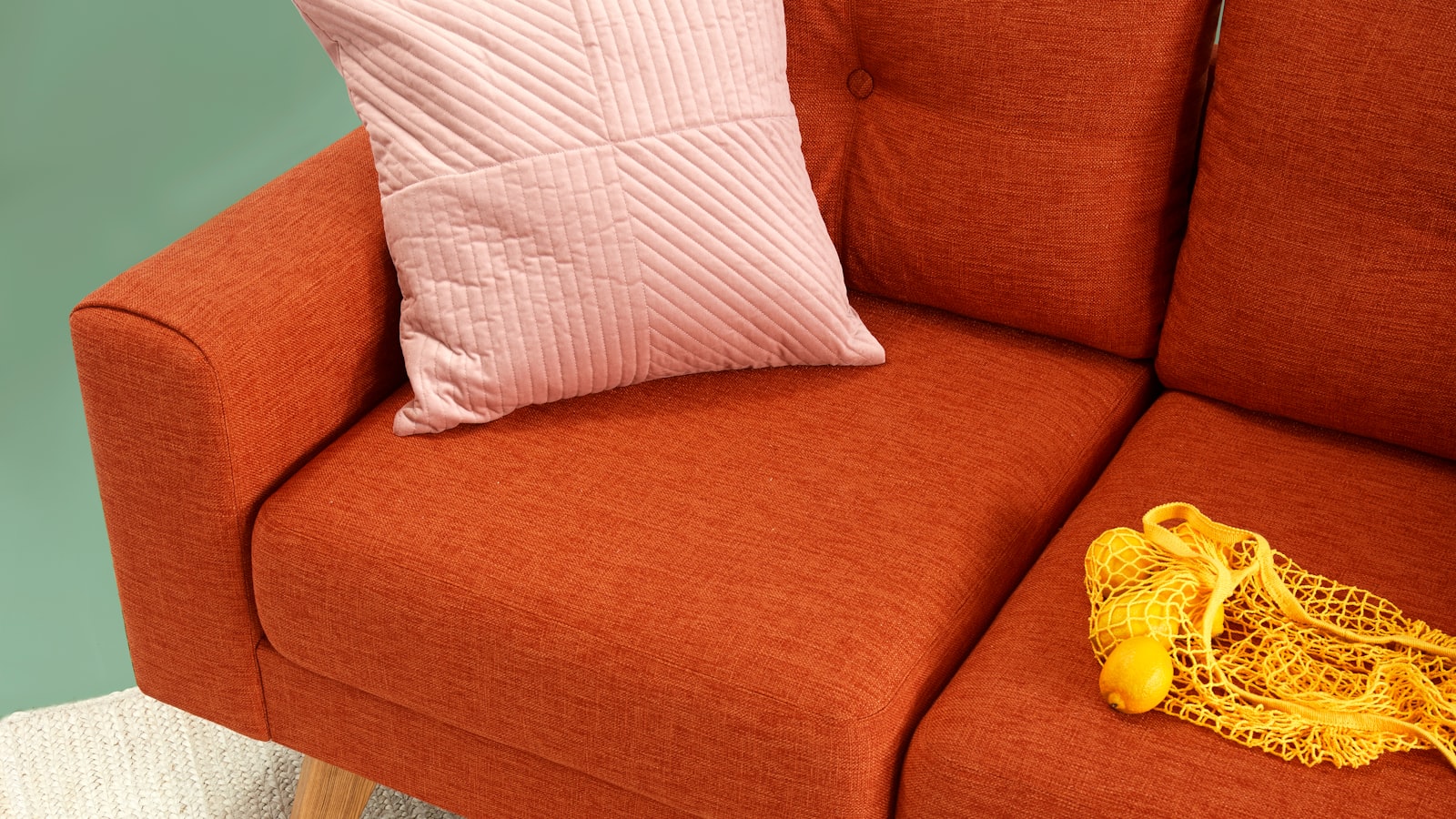
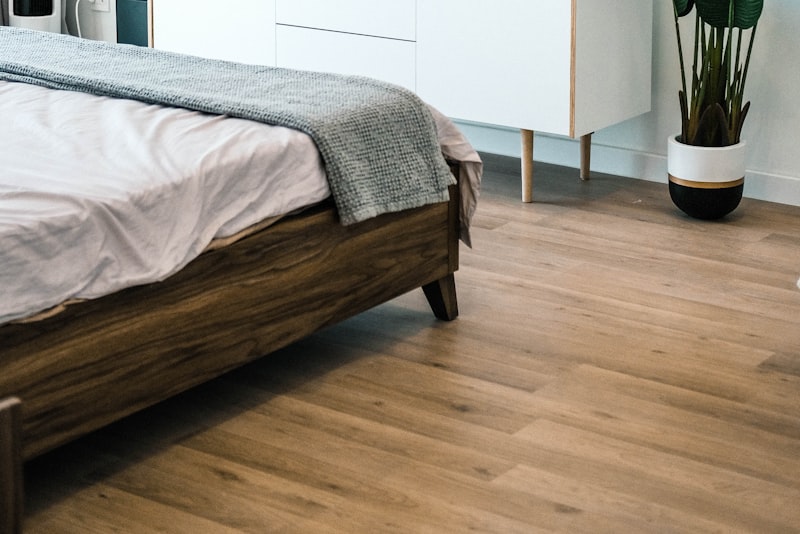
Seasonal decorating only works if most of your room stays still. Think of your home as having two layers: the permanent base and the small touches that change. The base is your big, expensive, hard-to-move pieces — the sofa, the rug, the curtains, the wall color. These should be chosen for the long haul, in tones you love in every season, so they carry you from January to December without complaint.
A calm, fairly neutral base is the most forgiving foundation for seasonal change, because nearly anything you layer on top will sit happily against it. That doesn't mean colorless. A warm greige, a soft sage, a deep navy — these all read as steady backdrops that flatter a bright spring posy in April and a pile of woolen throws in November. The base sets the mood; the seasonal layer adjusts the temperature.
When the bones of the room are settled, the seasonal work becomes light and genuinely fun. You're not redecorating from scratch four times a year, which would be exhausting and expensive. You're playing with a small, changeable top layer, confident that the foundation underneath will make whatever you add look intentional.
Let textiles do the heavy lifting#
If you only change one thing each season, make it the textiles. Cushion covers, throws, table linens, and the occasional rug are the fastest, cheapest way to shift a room's whole feeling, and they're easy to fold away when their season passes. Texture and weight carry an enormous amount of seasonal mood, often more than color does.
As the weather cools, lean into things you want to touch: chunky knits, brushed wool, velvet, faux fur, flannel. Pile a couple of throws over the arm of the sofa, swap thin cotton cushion covers for nubby textured ones, and the room reads cozy before you've changed a single color. When spring arrives, reverse it. Strip the room back to lighter weights — crisp cotton, linen, an airy throw you can leave loosely draped — and the same sofa suddenly feels breezy and awake.
Heavy textures pull a room inward and make it feel like shelter. Light, smooth ones open it up and let it breathe. You can change the season of a room without changing its color at all.
Color follows naturally once you're already swapping fabrics. You might shift toward deeper, warmer tones for autumn and winter — rust, ochre, forest, plum — then toward fresher, lighter ones for spring and summer. But you don't have to chase trendy seasonal palettes. Pick a few tones that feel right to you for warm months and cool months, and let your textiles carry them in and out.
Borrow from what's growing outside#
The most honest seasonal decorating comes straight from nature, and it's usually free. Whatever the world is offering right now is the surest way to make your home feel connected to the season, and it changes on its own schedule so you never have to overthink it. A walk around the block or the garden is often all the shopping you need to do.
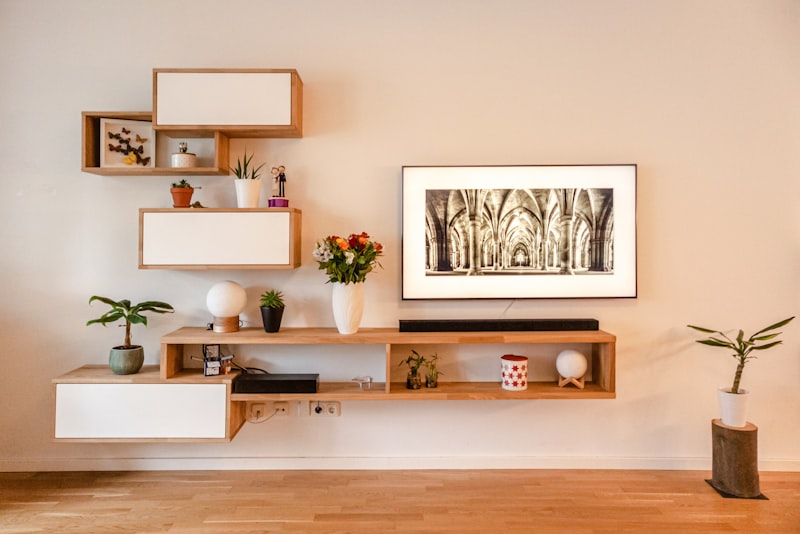
In spring, that might mean a jug of blossoming branches or the first cut flowers. Summer brings full, loose bunches of whatever's blooming and bowls of fruit left out on the counter. Autumn is generous with branches turning color, seed heads, gourds, and pinecones. Winter leans on evergreen clippings, bare twigs, dried grasses, and the warm glow of more candles than you'd light in July. None of it has to be elaborate.
A few natural touches that shift easily with the season:
- A single vase you refill with whatever's in season, from spring branches to winter evergreens.
- A bowl on the table holding seasonal fruit, pinecones, or smooth stones.
- A cluster of candles you burn more freely as the days get shorter and darker.
The beauty of natural elements is that they're temporary by design. Flowers fade, branches drop their leaves, and that's the point — they keep the room from ever feeling frozen in one moment, and they cost little or nothing to replace with the next season's offering.
Follow the light#
Every season changes the light in your home, and the most graceful decorating works with that shift rather than against it. In the long, bright days of summer, your rooms are flooded with natural light, so you can let them stay open and airy, with sheer curtains and bare windows making the most of the glow. The room almost decorates itself when the sun is doing the work.
As autumn and winter draw in and the light goes low and short, the job changes. Now you're building warmth and pools of light to push back against the early dark. This is the season for table lamps, floor lamps, and candles working in layers, for warmer bulbs that flatter a room at night, and for heavier curtains you can draw against the cold. The same space that felt fresh and open in June can feel like a snug retreat in December, just by changing how it's lit and softened. Anything involving new wiring or fixtures, of course, is worth handing to a licensed electrician.
Scent and small sensory details belong to this layer too. The smell of cut grass and open windows suits summer; something warmer and spicier suits the dark months. You're not just decorating for the eye but for the whole feeling of being in the room, and light is the quiet lever that changes it most.
Keep it light and let it turn#
Decorating for the seasons works best when it stays small and joyful rather than becoming another chore. A steady base you love, a top layer of textiles you swap as the weather turns, a few cuttings from outside, and lighting that follows the sun — that's the entire toolkit. Store each season's pieces neatly when their time passes, so the next refresh feels like a small unwrapping rather than a hunt through chaos.
Done this way, seasonal decorating becomes one of the gentlest pleasures of keeping a home. You stay attentive to the world outside, your rooms never go stale, and the changeover takes an afternoon at most. Let your home breathe with the year, and it will always feel a little more alive than a room frozen in a single, unchanging look.