A small apartment is not a smaller version of a big home — it's a different, more rewarding puzzle. When every square foot has to earn its place, you end up with a space that feels considered rather than crowded, intimate rather than cramped. The trick is to decorate with intention from the floor up, and to trust that less, done well, always beats more done in a hurry.
Start with the floor, not the walls#
Most decorating mistakes in small homes happen because people start with pretty things — a rug they loved, a print they grabbed — before they've worked out how the space actually flows. Flip that order. Stand in your doorway and notice where you naturally walk, where light lands, and what you want to see first when you come home. Those paths and sightlines are the real bones of the room.
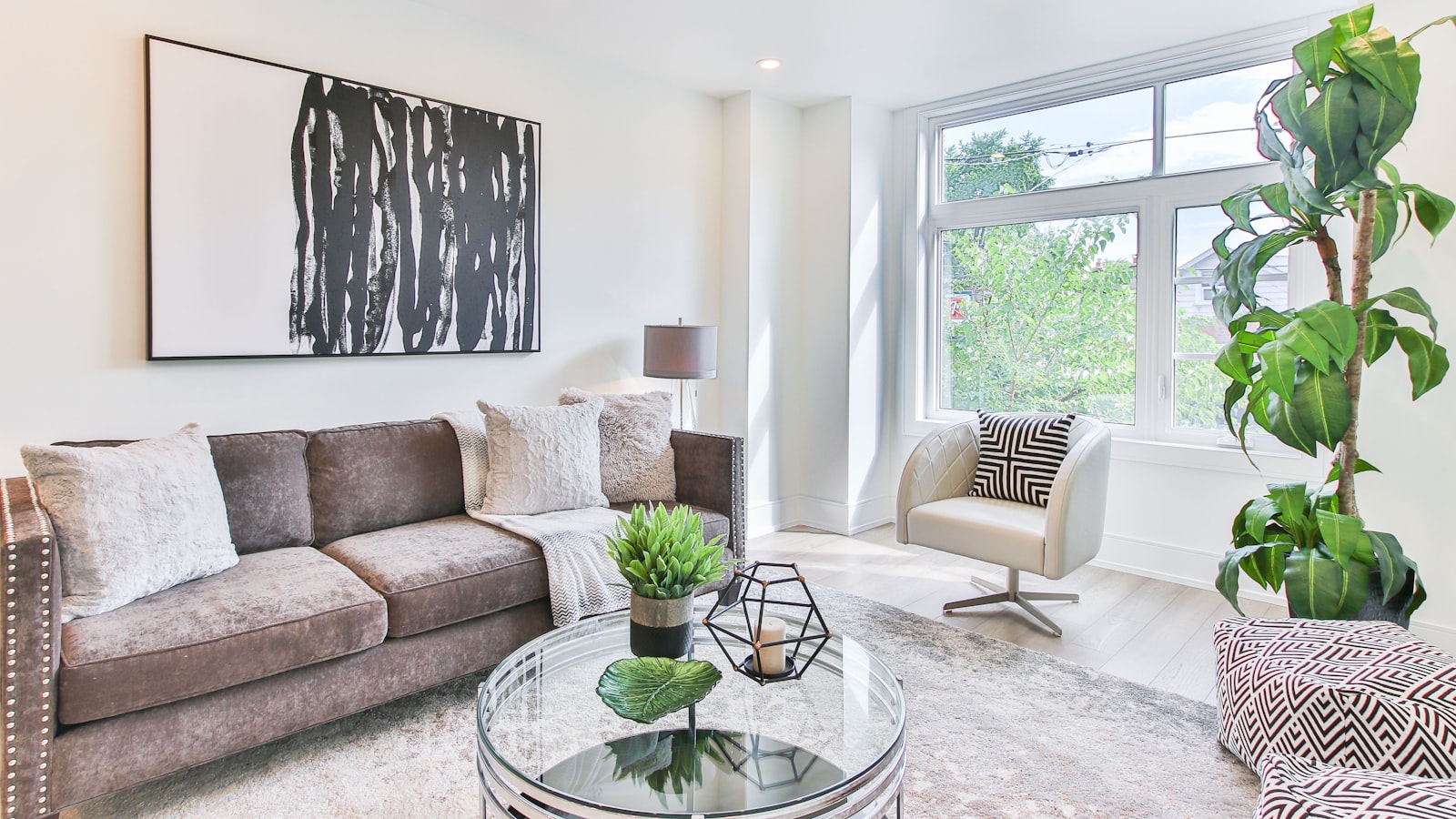
Once you can see the traffic, place your largest pieces to protect it. A sofa, a bed, a table — these anchor a room, and everything else arranges itself around them. Keep clear walkways of roughly comfortable shoulder width, and resist the instinct to shove every piece flat against the wall. A little air around furniture reads as generous, while a perimeter packed with stuff makes the middle feel like a hallway.
Choose pieces that earn their footprint. In a compact home, furniture with visible legs lets light and floor flow underneath, which makes the whole room breathe. A console that doubles as a desk, an ottoman that hides blankets, a drop-leaf table that folds away — every item that does two jobs buys you back space you didn't know you had.
Let color do the heavy lifting#
Color is the cheapest, fastest way to change how big a small apartment feels, and continuity is the secret. When walls, trim, and the larger furniture share a calm, closely related palette, the edges of each room soften and your eye glides from one space to the next instead of stopping at every corner. That flow is what makes a tiny footprint feel like one cohesive home rather than a set of small boxes.
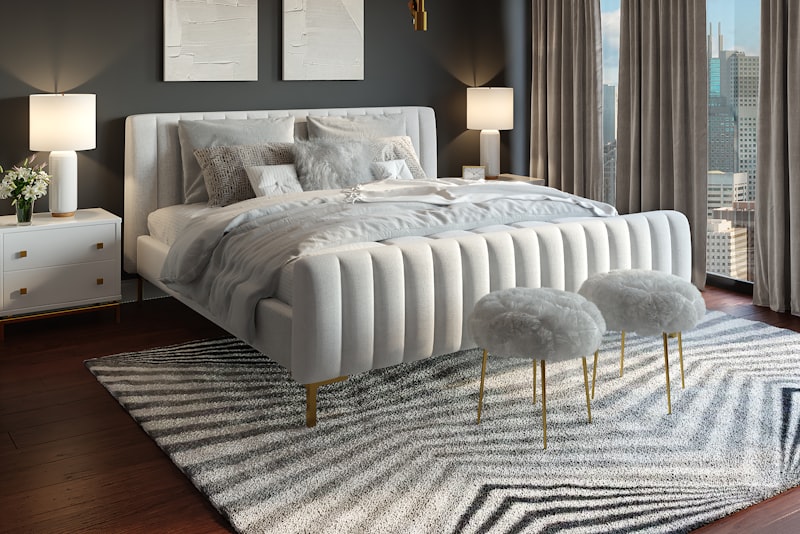
This doesn't mean everything must be pale. You can absolutely use a deeper, moodier tone and still feel spacious — a well-lit dark room reads as enveloping, not cramped. What matters is committing to one direction and carrying it through. Pick a base you genuinely love, repeat it across rooms, and let the apartment feel like a single thought.
In a small home, a consistent palette is like a quiet background — it lets the few things you've chosen with care actually be seen.
Then add life through accents and texture rather than constant high contrast. A throw, a stack of books, a ceramic bowl, a leafy plant — these bring warmth without visual noise. Keep the bold, busy patterns for one or two small moments, like a single cushion or a piece of art, so the eye always has somewhere calm to land.
Make every piece pull its weight#
Editing is the most underrated decorating skill, and it matters most when space is tight. The goal isn't a bare, minimal box — it's a home where everything you own is either useful, loved, or both. When you stop trying to fit a big-apartment amount of furniture into a small footprint, the room finally relaxes.
Favor fewer, larger pieces over a scatter of little ones. One generous piece of art makes a wall feel expansive, while a crowded grid of tiny frames can make it feel fussy. A single substantial plant beats five small pots competing for a shelf. The same goes for storage and seating: a well-chosen item with presence grounds a room, where lots of small things just add clutter.
A few habits keep a compact space feeling open rather than full:
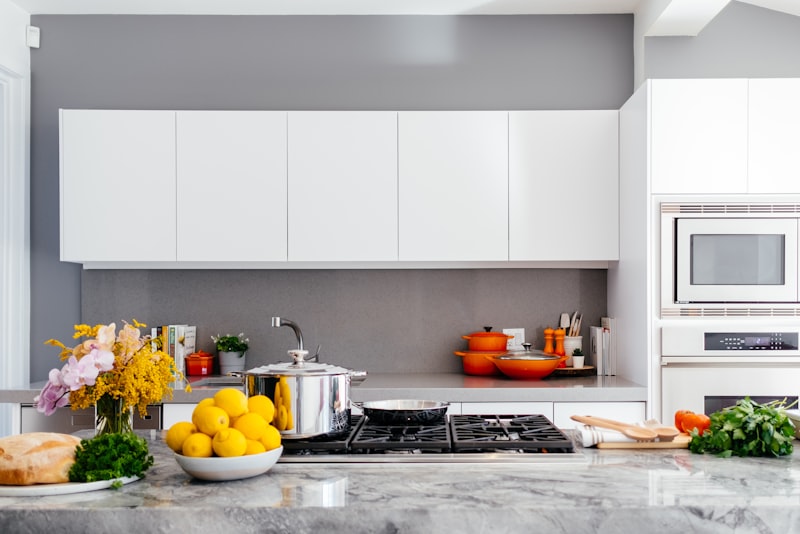
- Give everyday clutter a home — a basket, a tray, a drawer — so surfaces stay mostly clear
- Hang curtains high and wide to lift the ceiling and frame the light
- Use vertical space with tall, narrow shelving instead of low, sprawling units
- Lean toward storage you can see into or close away, so nothing reads as chaos
The aim is breathing room. Let some walls stay quiet and some surfaces stay empty; that restraint is exactly what makes the pieces you do display feel intentional and the whole apartment feel calm.
Build in warmth and personality#
A small apartment styled only for openness can tip into feeling sterile, so the final layer is the human one. This is where you stop optimizing and start making it yours. Texture is your best friend here — a chunky knit throw, a soft rug, a woven basket, a worn wooden bowl all add depth and comfort that a flat, hard space lacks, and they do it without taking up real estate.
Lighting carries enormous emotional weight. A single overhead fixture flattens a room and leaves cold corners, while a couple of lamps at different heights wrap the space in a warm, lived-in glow after dark. Light those corners, add a candle or two, and even the tiniest studio feels like somewhere you want to linger. If you're renting and tempted to change fixtures or add hardwired lighting, keep it to plug-in lamps — anything wired into the walls is a job for a licensed electrician and your landlord's blessing.
Finally, display the things that tell your story. A few books you actually read, a plant you've kept alive, a photo, a souvenir, a piece you saved up for — these are what turn an apartment into a home. You don't need square footage to live somewhere that feels personal and put-together. Plan the floor with care, let one calm palette carry the rooms, keep only what earns its place, and layer in the warmth that's unmistakably you. Do that, and your small apartment won't feel like a compromise — it'll feel like exactly the home you meant to make.