A rug is the foundation a room is built on, even though we tend to choose it last. It defines where a space begins and ends, softens every footstep, and quietly pulls the furniture into a single conversation. Skip it or size it wrong, and even a well-decorated room can feel like the pieces are drifting apart.
Size it bigger than you think#
The single most common rug mistake is going too small. A little rug stranded in the center of a room, with all the furniture floating around it on bare floor, makes the whole space feel disjointed — like an island nobody can reach. The fix is almost always to size up. A generous rug grounds the furniture, defines the zone, and makes the room read as one cohesive area rather than a scatter of separate pieces.
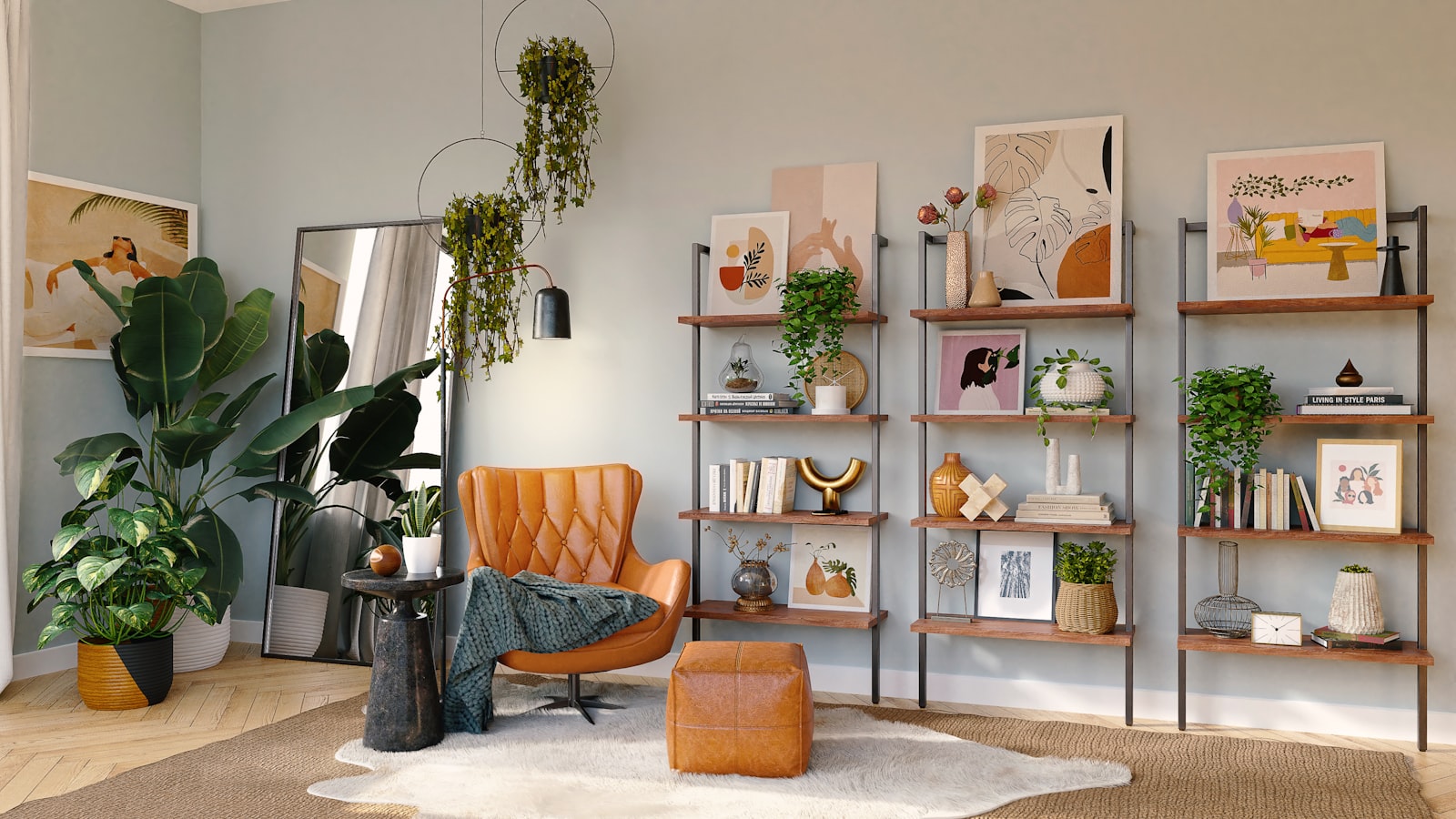
The simplest way to get this right is to think about how the furniture relates to the rug. In a living room, you want the rug large enough that at least the front legs of the sofa and chairs rest on it, drawing everything into the same frame. Better still is a rug big enough to sit fully under all the main pieces, with a margin of rug showing around them — that's the layout that feels truly anchored and intentional. Leaving a band of bare floor between the rug and the walls is good; it lets the floor breathe and frames the rug like a mat around a picture.
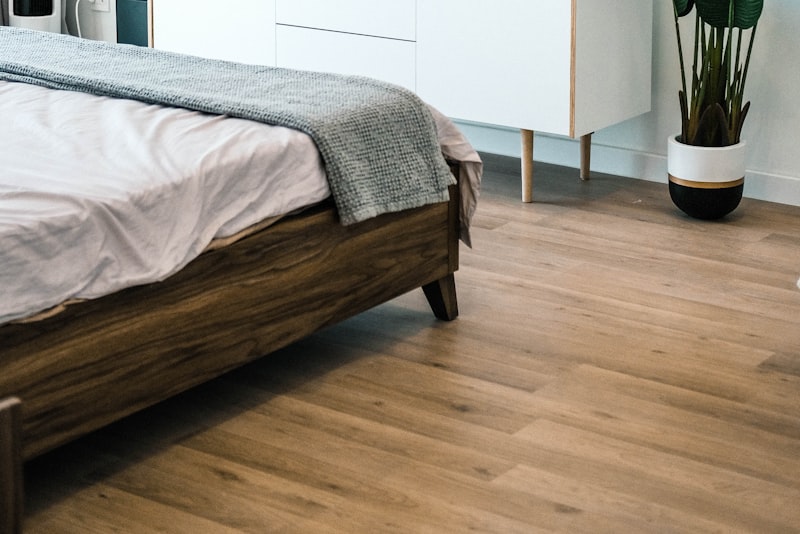
The same thinking scales to other rooms. Under a dining table, the rug needs to be large enough that the chairs stay on it even when pulled out to sit down — otherwise you get that maddening tip as a back leg catches the edge. A good guide is to allow a generous margin of rug beyond the table on every side, enough that nobody ends up half-on and half-off when they settle in to eat. In a bedroom, a rug that extends well past the sides and foot of the bed gives you something soft to step onto and makes the whole room feel layered and warm. When in doubt, choose the larger size. Rooms almost always look better for it, and a rug that's a touch too big is a far easier thing to live with than one that leaves the furniture stranded.
A rug that's slightly too big makes a room feel grand; a rug that's too small makes it feel like a mistake.
Match the material to real life#
A rug has to survive your actual household, not an imaginary one, so let the room's traffic guide the material. High-traffic areas — entryways, hallways, family living rooms, anywhere shoes and pets and spills happen — call for something tough and forgiving. Hard-wearing natural fibers and tightly woven wool take a beating gracefully, hide everyday dirt, and clean up without drama. A busy room is no place for a delicate, pale, high-pile rug you'll spend your life worrying over.
Lower-traffic, more sheltered spaces give you room to indulge. A bedroom, a formal sitting room, or a reading corner can carry a softer, more luxurious pile underfoot because it won't be punished daily. This is where a plush wool or a silky blend feels like a small daily luxury — the kind of surface you want to sink your bare feet into first thing in the morning. The point is simply to be honest about how a room is used and to choose a rug that can keep up while still feeling good to live with.
Texture is part of this decision too, and it does more than you'd expect. A flat, low-pile weave reads crisp and modern and shows off pattern beautifully. A thick, shaggy, or looped pile adds cozy depth and works wonders in a room that needs softening. Layering a smaller textured rug over a larger flat one is a designer's trick for adding warmth and dimension, and it's an easy way to make a space feel richer without buying anything new for the rest of the room.
Let pattern and color earn their place#
A rug can play one of two roles, and it helps to decide which before you shop. It can be the star — a bold pattern or saturated color that sets the entire palette for the room, the piece everything else takes its cues from. Or it can be a quiet supporting player, a subtle texture or soft tone that grounds the space without competing for attention. Both are wonderful choices, but they ask for different things from the rest of the room.
If the rug is your starting point, pull your other colors from it. A patterned rug is a ready-made palette, with a handful of tones woven right in — borrow those for your cushions, your art, your throws, and the room will feel effortlessly coordinated. You don't have to use every color in the rug, either; picking just one or two of its tones to echo elsewhere is often more elegant than matching the whole thing. If instead you already have a busy room full of pattern and color, let the rug calm things down with something more restrained, so the floor steadies the space rather than adding to the noise. A quiet rug under a lively room is just as considered a choice as a bold one under a calm room — what matters is that the rug and the space balance each other.
Pattern also has a practical superpower worth knowing: it hides life. A patterned or multi-toned rug forgives crumbs, paw prints, and the inevitable spilled coffee far better than a solid, pale one. In the rooms where life is messiest — under the dining table, in the family room, by the back door — a little pattern isn't just pretty, it's genuinely practical, buying you time between cleanings and a lot less anxiety in the meantime.
Whatever you choose, give the rug a chance to feel intentional rather than incidental. Size it generously, choose a material your room can actually live with, and decide whether it's leading or supporting before you commit. Do that, and the rug stops being the thing you grabbed to cover the floor and becomes what it should be — the warm, grounding foundation that quietly holds the whole room together.