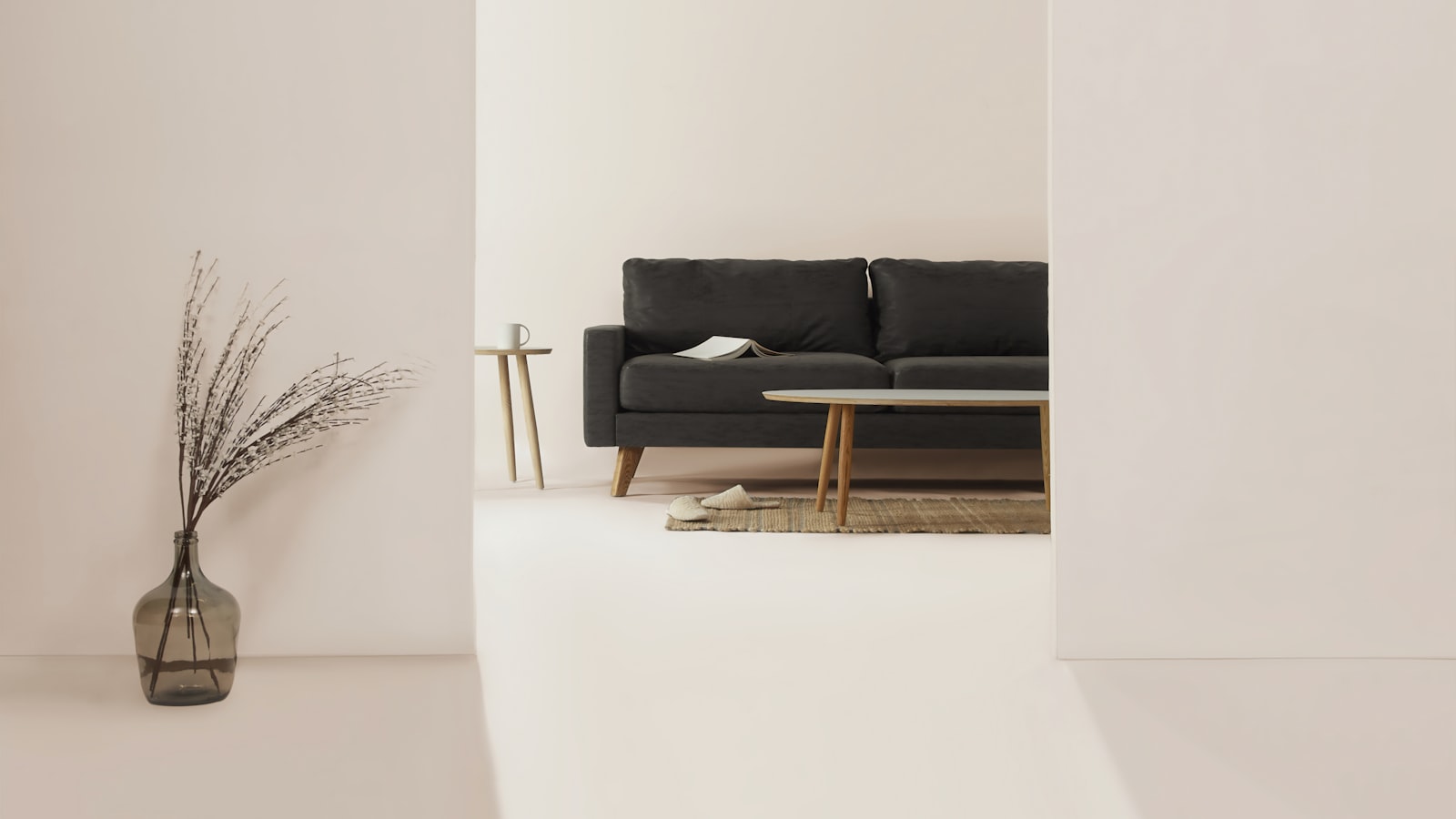
Minimalism gets a bad rap for feeling cold — all hard surfaces, empty walls, and the slight sense you're standing in a showroom rather than a home. But a pared-back room and a warm one aren't opposites at all. With a few thoughtful choices, you can keep the calm, uncluttered feeling minimalism is loved for while making it genuinely inviting to live in.
Let texture do the heavy lifting#
When you strip a room back to its essentials, there's less stuff to carry warmth, so the few materials you keep have to work harder. This is where texture becomes everything. In a busy room, color and pattern create interest; in a spare one, the contrast of textures takes over that job, and it does it beautifully. The play of soft against hard, rough against smooth, matte against sheen is what gives a minimalist room depth instead of flatness.
Think about everything a surface can feel like and start layering those sensations. A chunky knit throw over a clean-lined sofa. A nubby wool cushion against smooth leather. A woven basket beside a polished concrete or stone surface. A linen curtain softening a wall of glass. None of these add visual clutter — the room stays calm and uncluttered — but they add a richness you feel as much as see. The goal is a space you'd happily run your hand across, because a room that's interesting to touch almost always feels warm to be in.
The beauty of leaning on texture is that it honors the minimalist spirit rather than fighting it. You're not crowding the room with objects; you're choosing fewer pieces and making each one tactile and considered. A single beautifully woven rug, one perfectly soft throw, a handful of natural-fiber accents — these quiet additions warm a room enormously while keeping the clean, breathing simplicity that drew you to minimalism in the first place.
Bring in nature and warm materials#
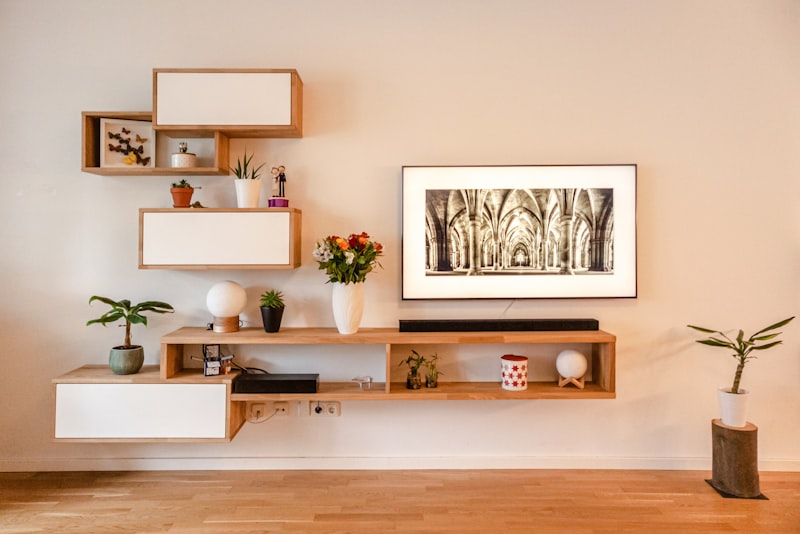
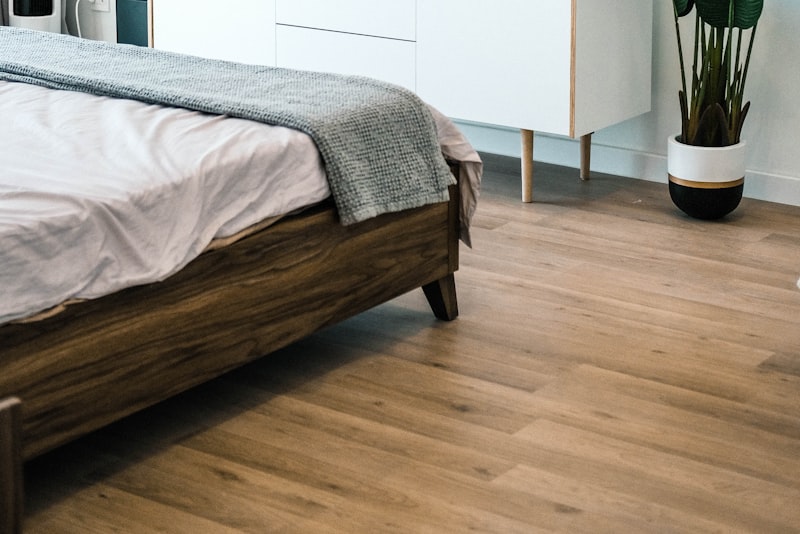
Cold minimalism usually comes from a palette of cold materials — lots of white, glass, chrome, and hard glossy surfaces with nothing organic to soften them. The most reliable cure is to weave in natural, warm-toned materials that carry life and warmth in their very makeup. Wood is the great workhorse here: a timber stool, a wooden bowl, an oak shelf, or a warm-toned floor instantly takes the chill off a clean white space and grounds it with something that feels alive.
Plants do the same work in a different language. A single trailing plant or a sculptural leafy specimen brings movement, color, and a breath of the outdoors into even the most pared-back room. Greenery is wonderfully suited to minimalism because one well-placed plant reads as intentional rather than cluttered — it's a living accent that softens hard edges and adds a gentle vitality no inanimate object quite matches. You don't need a jungle; one or two healthy plants in simple pots can warm a whole room.
Warmth in a minimalist room comes less from adding more and more from choosing materials that feel alive.
Other natural elements layer in the same warmth. Stone, clay, rattan, leather, wool, and linen all carry an organic depth that cold synthetics lack. A clay vase, a leather pouf, a stone object on a shelf, a jute rug underfoot — each brings a little soul and a sense of the handmade. Lean toward warm undertones in your palette, too: swap stark blue-whites for softer creams and warm greys, and let a few earthy tones creep in. The room stays simple and serene, but it starts to feel like a refuge rather than a gallery.
Soften the light and add a little soul#
Lighting may be the single biggest factor in whether a minimalist room feels cold or cozy, and it's easy to overlook. Bright, even, blue-toned overhead light flattens a space and makes it feel clinical, no matter how lovely the furnishings. The fix is to layer in softer, warmer, lower light. A table lamp with a warm bulb, a floor lamp glowing in a corner, the flicker of a candle in the evening — these gentle pools of light create the intimacy and warmth that a single harsh ceiling fixture never will.
Aim for a few low light sources rather than one bright one, so the room has soft shadows and warm glows instead of flat, even brightness. Warm-toned bulbs make an enormous difference, casting everything in a golden, candlelit hue that instantly feels more welcoming. Natural light helps too, so keep windows relatively unobstructed during the day and let sunlight pour across those textures and warm materials you've chosen. If a lighting plan tempts you to add fixtures or rewire anything, that part belongs to a licensed electrician — but most of the warmth here comes from lamps and bulbs you can simply plug in and place.
The last ingredient is the one minimalism is most afraid of: a little personality. A truly cold room is often a room with no trace of the people who live there — no books, no art, no objects that mean anything. You can keep your minimalist discipline and still let a few personal pieces in. A small stack of beloved books, a single framed photograph, a piece of art that moves you, an object you brought home from somewhere special. Curated rather than cluttered, these touches give the room a heartbeat. They tell the story of a real person, and that story is what separates a warm minimalist home from a sterile empty one.
You don't have to choose between calm and cozy. Keep the clean lines and the breathing room that make minimalism feel so good, then warm them with rich texture, natural materials, soft light, and a handful of things you genuinely love. The result is the best of both worlds — a space that's serene and uncluttered yet unmistakably inviting, a minimalist room that finally feels like a home you want to sink into and stay.