Decorating well isn't about spending a lot; it's about spending wisely. A home can look and feel expensive on a modest budget, as long as your money lands where it matters and stretches where it doesn't. The skill worth learning isn't how to spend more, but how to know which pieces deserve a splurge and which ones you should happily save on.
The rule that guides every decision#
If you remember nothing else, remember this: spend on the things you use most and touch every day, and save on the things that are decorative, trend-driven, or easy to swap. Nearly every smart decorating decision flows from that single principle. A piece you sit on for hours, sleep on every night, or rely on constantly earns an investment because you feel its quality daily. A piece that's mostly there to look pretty, or that you'll likely tire of in a year or two, doesn't.
The most useful number to keep in mind is cost per use. A sofa you'll use thousands of times over a decade is a bargain even at a higher price, because the cost spreads across all those quiet evenings. A decorative object you'll glance at occasionally and replace when your taste shifts should be cheap, because its cost per use is high no matter what you pay. Once you start thinking this way, expensive and cheap stop being absolute terms and become questions of value over time.
This framing is freeing rather than restrictive. It gives you permission to spend confidently on the few things that deserve it, and to be cheerfully thrifty everywhere else without feeling like you're cutting corners. A home full of considered choices, where the splurges are genuine and the savings are deliberate, always feels better than one where money was sprinkled evenly across everything.
What deserves a splurge#
Some pieces are worth saving up for, because their quality affects your comfort and the whole room's foundation. These tend to be the largest, hardest-working, most permanent things in a home, and getting them right makes everything else easier.
Buy the best you can afford for the things your body touches; your back, your eyes, and your patience will thank you for years.
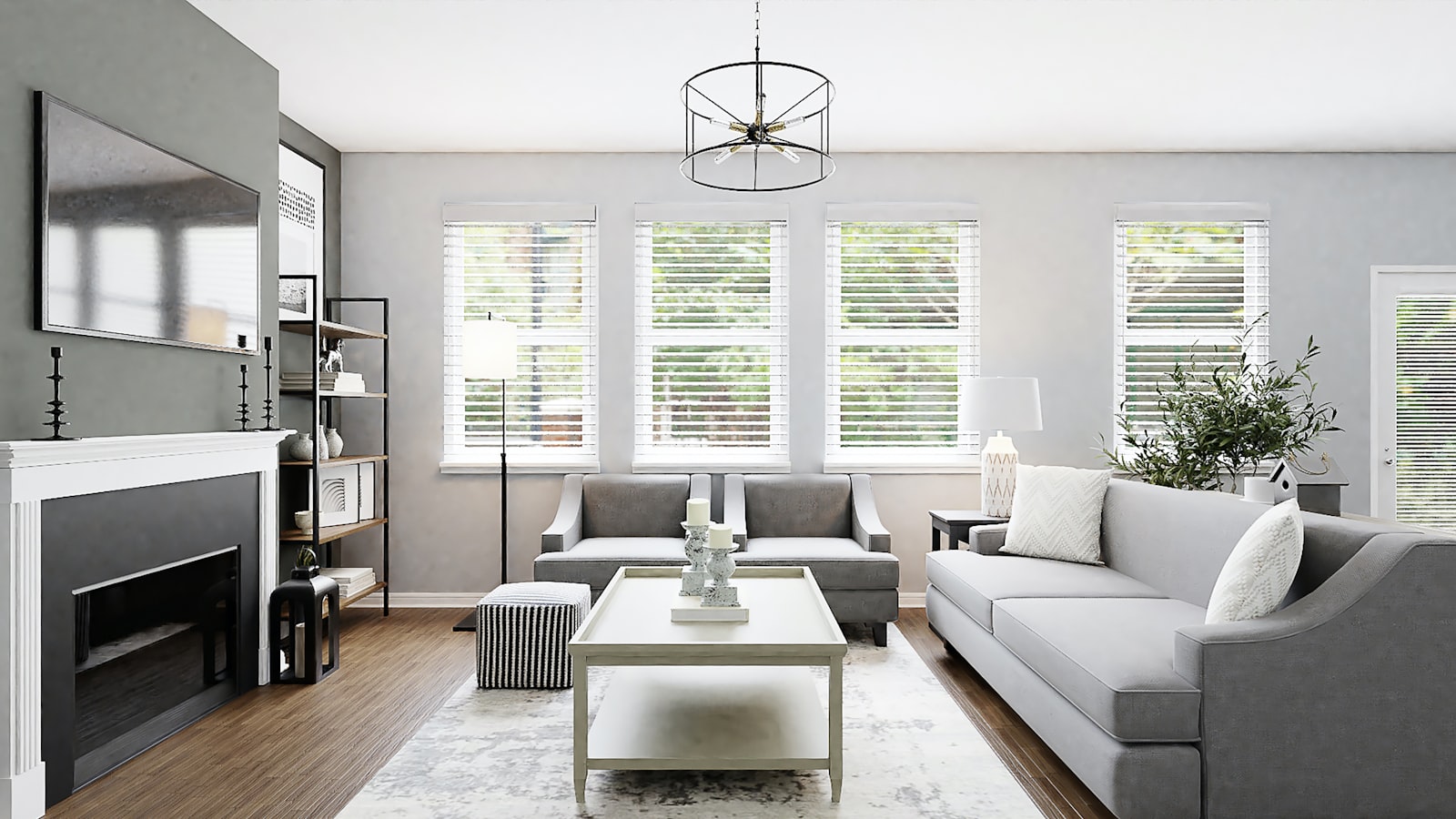
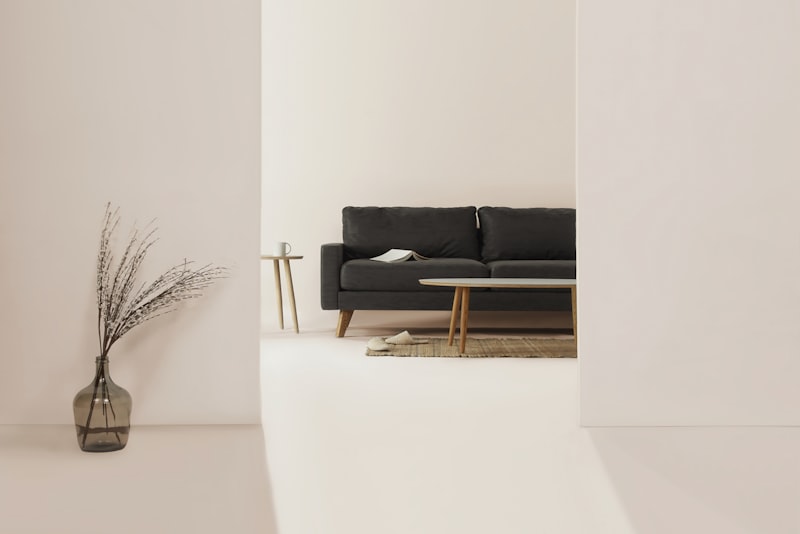
The seating you use daily, especially your main sofa and bed, sits at the top of the splurge list. You spend an enormous share of your life on these, and a well-made frame and good cushioning hold up where cheap ones sag, lump, and disappoint within a year. A quality mattress is hardly glamorous, but few purchases affect your daily life more. Rugs are another worthy investment when they're large and central, since a good one anchors a room, takes years of foot traffic, and pulls a whole space together. Anything you'll keep through several moves and style changes—a solid wood table, a timeless armchair—is also a candidate, because durability and a classic shape mean you buy once rather than repeatedly.
The thread connecting all of these is that they're foundational and lasting. They set the tone of a room and carry its weight, both literally and visually. When the bones of a space are good, you can decorate around them cheaply and the whole room still reads as quality. Spend here, and you give yourself a generous canvas everywhere else.
What you should happily save on#
Just as important is knowing where to keep your money in your pocket, because a great deal of decorating impact comes from inexpensive things. The pieces to save on are the ones that are fast-changing, easily swapped, or purely decorative.
A few categories that almost always belong in the save column:
- Cushion covers, throws, and seasonal textiles you'll want to change anyway.
- Decorative accessories like vases, candles, frames, and small objects.
- Trend-led pieces you suspect you'll tire of within a year or two.
- Art, which can be affordable prints, thrifted finds, or even framed paper you love.
Accessories are where budget decorating shines, because their job is to add color, texture, and personality, and a modest piece does that just as well as an expensive one. Nobody can tell what a vase cost once it's holding branches on a styled shelf. Textiles fall here too, since you'll likely want to refresh cushions and throws as your taste evolves, so paying premium prices for things you'll replace makes little sense. Trend-driven pieces are the clearest save of all: by definition they won't feel current forever, so let them be the inexpensive, swappable layer rather than the costly commitment. And art needn't be precious to be beautiful—a thoughtfully chosen print or a vintage piece can carry a wall with all the presence of something far dearer.
Making one great piece carry the room#
Here's a stylist's secret that ties it all together: you don't need many expensive things. One genuinely good piece, surrounded by thoughtful, affordable choices, makes an entire room feel elevated. The eye reads quality in the standout and generously assumes the rest matches.
This is how a single investment can punch far above its weight. A beautiful sofa flanked by budget cushions, a well-made table set with thrifted chairs, a quality rug beneath inexpensive furniture—each lets one splurge lift everything around it. The same logic works in reverse for the things you save on: cohesion makes cheap pieces look considered. When your accessories share a loose palette and your inexpensive finds feel intentional rather than random, the whole room looks curated regardless of what anything cost.
Remember too that none of this is professional financial or design advice; it's a way of thinking that helps you spend with confidence. Your priorities are your own, and a piece worth splurging on for one person is a sensible save for another, depending on how you actually live. Trust how you use your home over any rule.
In the end, a home you love isn't built by spending freely; it's built by spending thoughtfully. Put your money where you'll feel it every day, save cheerfully on the rest, and let one or two great pieces set the tone for everything around them. Decorate this way and your budget will stretch further than you imagined, your rooms will feel richer than they cost, and you'll have proven that taste, not money, is what makes a home feel truly yours.