If you love the comfort of classic interiors but find them a touch fussy, and you admire modern rooms but worry they feel cold, transitional design might be the home you have been looking for. It lives right in the welcoming middle, borrowing the best of both worlds. The result is a space that feels polished, calm, and genuinely easy to live in.
The Best of Two Worlds#
Transitional style is, at heart, a graceful compromise between traditional and contemporary design. Traditional interiors bring warmth, comfort, and a sense of timeless familiarity, but taken too far they can feel heavy or overly ornate. Contemporary interiors bring clean lines and a fresh, uncluttered feeling, but pushed too hard they can tip into something austere. Transitional design takes the comfort of one and the simplicity of the other and lets them balance each other beautifully.
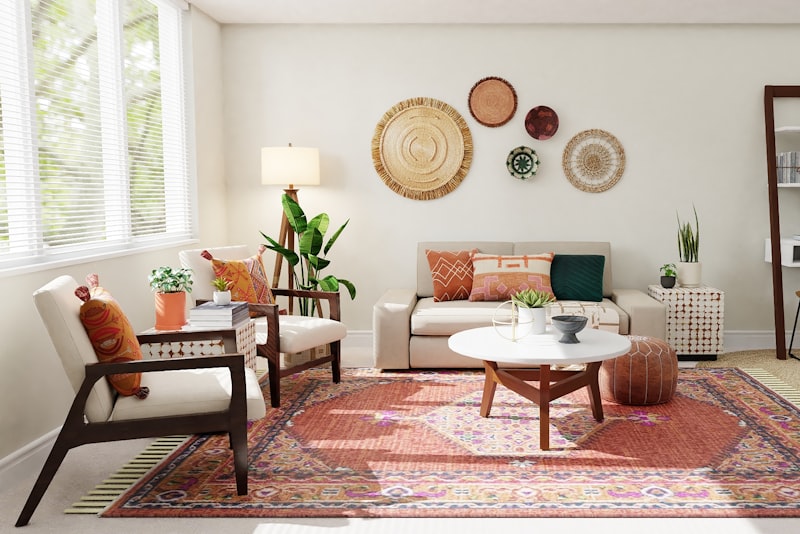
Picture a sofa with a classic, comfortable shape, but upholstered in a simple neutral fabric with clean tailoring rather than heavy skirts and fringe. Or a pair of traditional-feeling armchairs sitting beside a sleek, modern coffee table. Neither side dominates. Instead, the old softens the new and the new lightens the old, and the room settles into an easy, grown-up harmony that feels both familiar and fresh.
This balance is exactly why so many people find transitional rooms so livable. They have enough classic comfort to feel like a real home rather than a showroom, and enough modern restraint to feel current and calm rather than dated. It is a style that does not ask you to choose between cozy and clean, which is a large part of its quiet appeal.
A Calm and Neutral Palette#
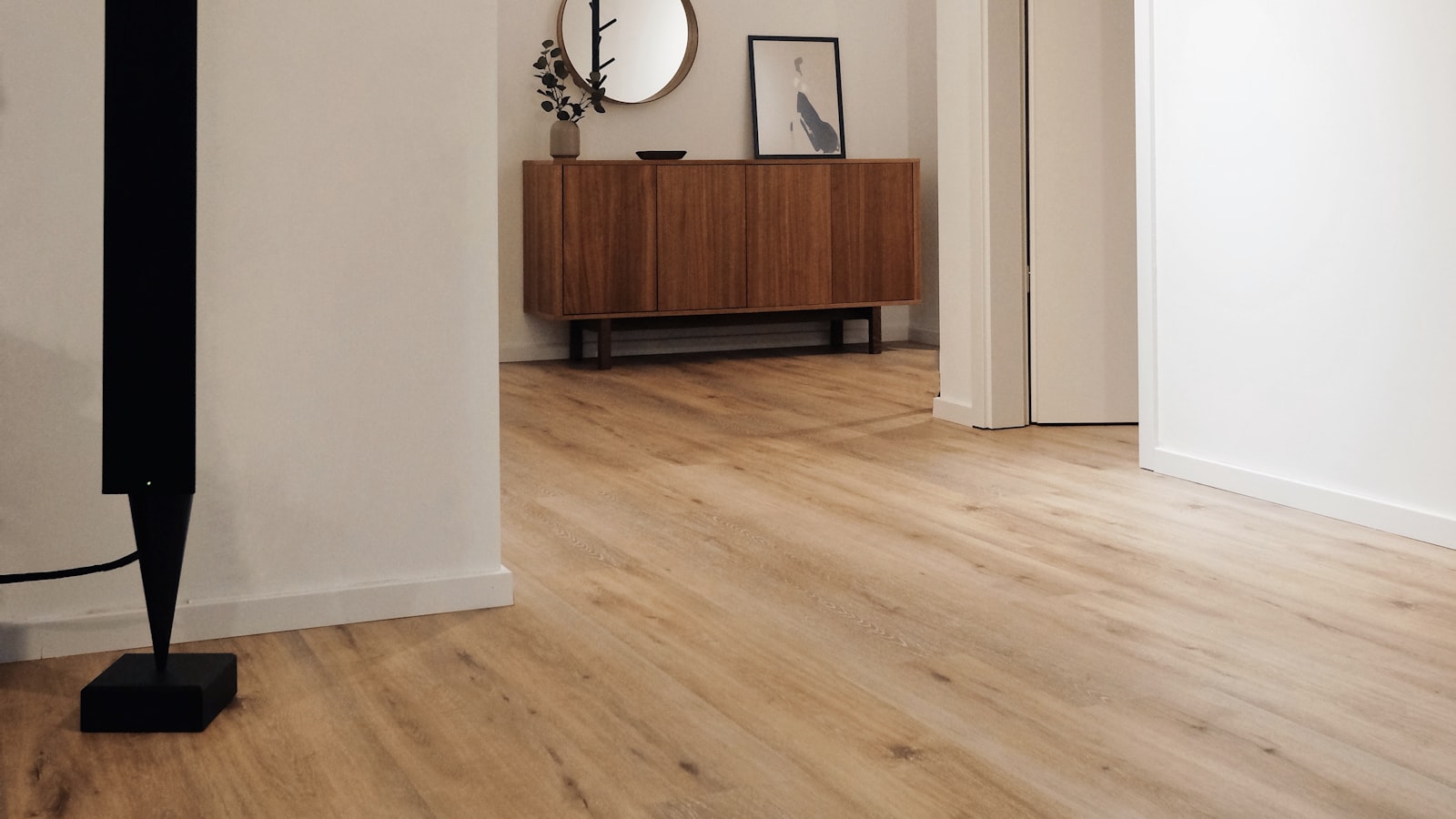
Color in transitional design tends to stay soft, warm, and restrained. Think creams, beiges, soft greys, taupes, and gentle warm whites, the kind of palette that feels like a deep exhale the moment you walk in. This neutral foundation is doing important work: it keeps the room feeling serene and lets the blend of classic and modern shapes take center stage without competing for attention.
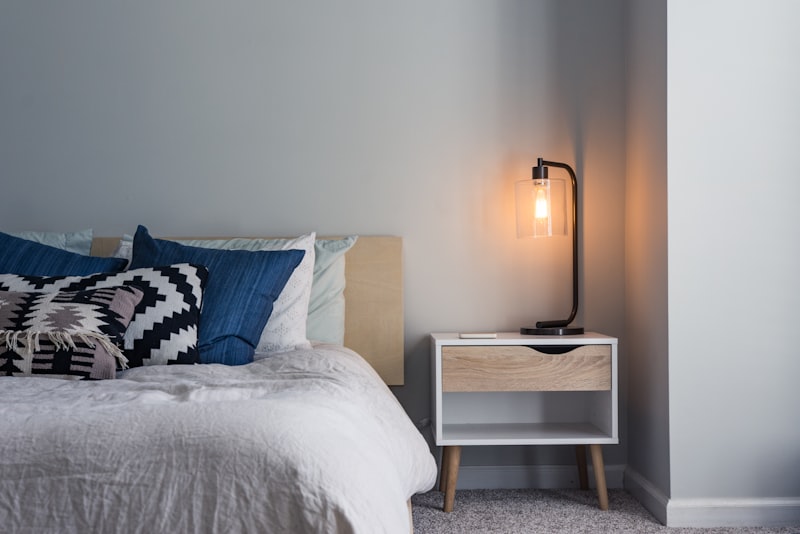
That does not mean the look is colorless. A transitional room often layers several neutrals together, warming a grey scheme with touches of caramel and wood, or grounding a creamy room with a deeper charcoal or navy. The interest comes from these subtle shifts in tone rather than from bold, saturated color. Everything stays gentle, which is precisely what gives the style its restful quality.
Transitional design proves that a room can feel both timeless and current without ever raising its voice.
When color does appear, it usually arrives quietly, through a piece of art, a muted cushion, or a single deeper accent that anchors the space. The principle is restraint. Because the palette stays calm, those small choices carry real meaning, and the whole room feels considered rather than busy. If you ever feel a transitional space is getting too loud, the most natural fix is to pull a color back toward neutral and let the calm return.
Texture, Line, and the Magic of Balance#
Here is the secret that keeps a neutral transitional room from feeling flat: it leans on texture and shape to create interest instead of color. When your palette is soft and quiet, the richness has to come from how things feel and how their lines play together. This is the heart of the style, and it is where the real craft lives.
Texture brings the warmth. A nubby linen sofa, a smooth lacquered table, a chunky woven throw, a sleek metal lamp, a soft wool rug underfoot, all of these add depth you can almost feel with your eyes. Layering these tactile contrasts is what makes a neutral transitional room feel rich and inviting rather than bland. Without that layering, the calm palette can read as empty; with it, the same colors become luxurious.
Line is the other half of the magic. Transitional design loves to pair clean, straight, modern lines with the softer curves of classic forms. A straight-edged sofa might sit beside a gently rounded chair; a sleek table might hold a curved ceramic lamp. This conversation between crisp and soft keeps the room from feeling too severe on one hand or too fussy on the other. The two qualities balance each other, just as the traditional and modern influences do throughout the whole style.
Balance, really, is the word that defines transitional design at every level. Classic balanced with modern, neutral balanced with texture, straight lines balanced with curves. Whenever a transitional room feels slightly off, the fix is almost always to restore one of these balances, softening something too hard or simplifying something too ornate.
Bringing Transitional Style Home#
The wonderful thing about this style is how forgiving and reachable it is. You do not need to renovate or replace everything to move toward it. Because it blends old and new by design, your existing pieces can usually find a comfortable place in the mix. A few guiding moves will carry you a long way:
- Start with a soft neutral palette of creams, greys, and warm taupes.
- Pair classic comfortable shapes with cleaner, simpler lines nearby.
- Layer plenty of texture through linen, wool, wood, and smooth ceramics.
- Keep ornamentation light, favoring quiet elegance over heavy detail.
- Edit your surfaces so a few considered pieces have room to breathe.
As you go, lean on that idea of balance whenever you feel unsure. If a room is leaning too traditional and starting to feel heavy, introduce something cleaner and more modern to lighten it. If it is leaning too contemporary and starting to feel cold, bring in a softer, more classic piece or a warmer texture. You are simply tuning the dial back toward the middle, which is exactly where transitional design wants to live.
Resist the urge to overfill, too. Like its modern parent, transitional style appreciates a little breathing room around objects. A clear surface with one beautiful lamp and a stack of books feels far more in the spirit of the look than a crowded display. That sense of calm and order is part of what makes the style feel so settled and grown-up.
Why Transitional Design Endures#
Trends come and go, but transitional design has a quiet staying power, and it is no accident. Because it never commits fully to one fashionable look, it never falls out of fashion with that look either. It is built from things that simply make people feel comfortable: gentle color, honest texture, balanced forms, and a calm sense of order. Those values do not expire.
It is also one of the most flexible styles for a real, changing life. The neutral, balanced foundation flexes easily as your tastes shift, letting you swap a cushion, a piece of art, or a single accent to refresh the mood without starting over. A home built on this kind of timeless balance keeps feeling right year after year, because it was designed around how you want to feel, not around what happened to be trendy when you decorated.
Transitional design, in the end, is a gentle invitation to stop choosing between comfort and clarity and simply have both. Begin with a calm neutral base, mix classic warmth with clean modern lines, layer in texture you love to touch, and keep everything in balance. That patient, middle-path approach is exactly how you design the home you love, one beautifully balanced room at a time.