Close your eyes and picture a whitewashed house on a sunny coast, with terracotta floors warm underfoot, a breeze drifting through an arched doorway, and lemons ripening just outside the window. That feeling of unhurried, sunlit ease is the soul of Mediterranean interior design. It is less a strict aesthetic than an invitation to live a little slower and warmer.
A Style Born From Sunshine and the Sea#
Mediterranean design grew up in the countries that ring that famous sea, places like Spain, Italy, Greece, and southern France, where the climate is warm, the light is generous, and life spills easily between indoors and out. You can feel all of that in the look. It is relaxed, earthy, and deeply connected to the landscape it came from. Where some styles feel like they were designed in a studio, this one feels like it grew out of the soil and the sunshine.
That origin shapes everything about it. Because these are hot, bright places, the design learned to work with the climate rather than against it. Cool stone and tile floors stay pleasant in the heat, thick walls keep interiors comfortable, and breezy openings let air move freely. The aesthetic and the practical are woven together so completely that the beauty of the style is really the beauty of a home that lives in easy harmony with its surroundings.
There is also a wonderful lack of pretension to Mediterranean rooms. They feel rustic and handmade, welcoming rather than precious, the kind of space where you would happily gather friends around a long table for an unhurried meal. Comfort and conviviality matter more than perfection here, and that generous, lived-in spirit is a big part of the warmth you feel the moment you step inside.
Earthy Materials and a Sunbaked Palette#
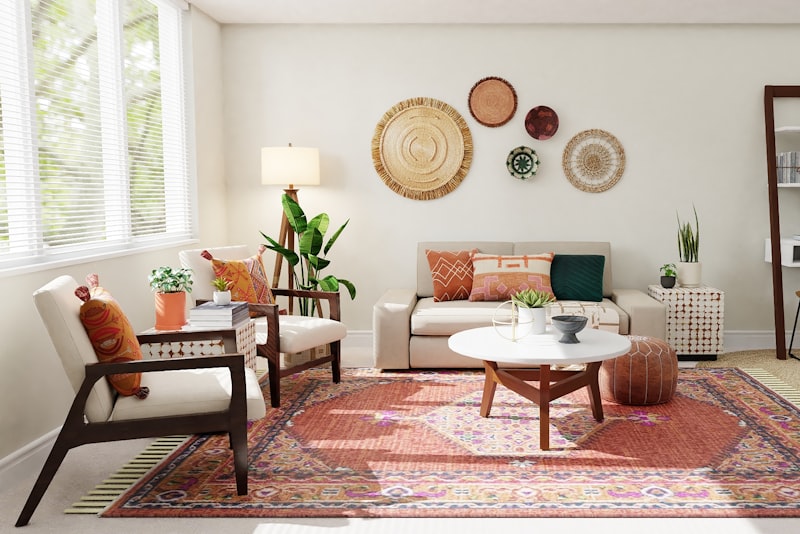
The materials of Mediterranean design come straight from the natural world, and they carry the warmth of the region in their very surfaces. Terracotta is everywhere, in floor tiles, in pots, in the warm orange-brown glow it lends a room. Natural stone, plaster walls, and rough-hewn wood add to the grounded, earthy feeling. Wrought iron appears in light fixtures and railings, and woven natural fibers like rattan, jute, and rush soften the harder surfaces. Nothing feels slick or factory-made; everything looks like it was shaped by human hands.
The colors echo the landscape itself. Think of the warm whites of a sunbaked wall, the rusty orange of terracotta, the deep blues of the sea and sky, the green of olive groves, and the soft gold of wheat fields and sunshine. These tones feel completely at home together because they come from the same place. Warm neutrals and earthy browns form the foundation, and the blues and greens arrive as refreshing accents, like a view of the water glimpsed between buildings.
A Mediterranean home does not try to impress you; it simply invites you to slow down and stay a while.
What makes the palette so successful is how naturally it holds together. Because every color is drawn from the same sunlit world, you can layer them generously without things ever clashing. A terracotta floor, white plaster walls, an olive cushion, and a splash of sea blue feel like they belong, because in the landscape they always have. That built-in harmony makes the style forgiving and a real pleasure to build.
Light, Air, and Bringing the Outside In#
If there is one element that defines a Mediterranean room, it is light. These interiors are designed to welcome the sun and let it move freely through the space. Walls are often kept pale to bounce that brightness around, windows stay relatively unburdened by heavy treatments, and rooms open generously to courtyards, terraces, and gardens. The boundary between inside and outside is intentionally soft, because so much of Mediterranean life happens in that warm in-between.
Arched doorways and windows are a signature of the style, and they do more than look beautiful. Those gentle curves echo the relaxed, organic feeling of the whole aesthetic and frame views and light in a way that feels generous and graceful. Even if you cannot add architectural arches to your own home, you can borrow the spirit of that softness through curved furniture, rounded mirrors, and gently arched decorative shapes.
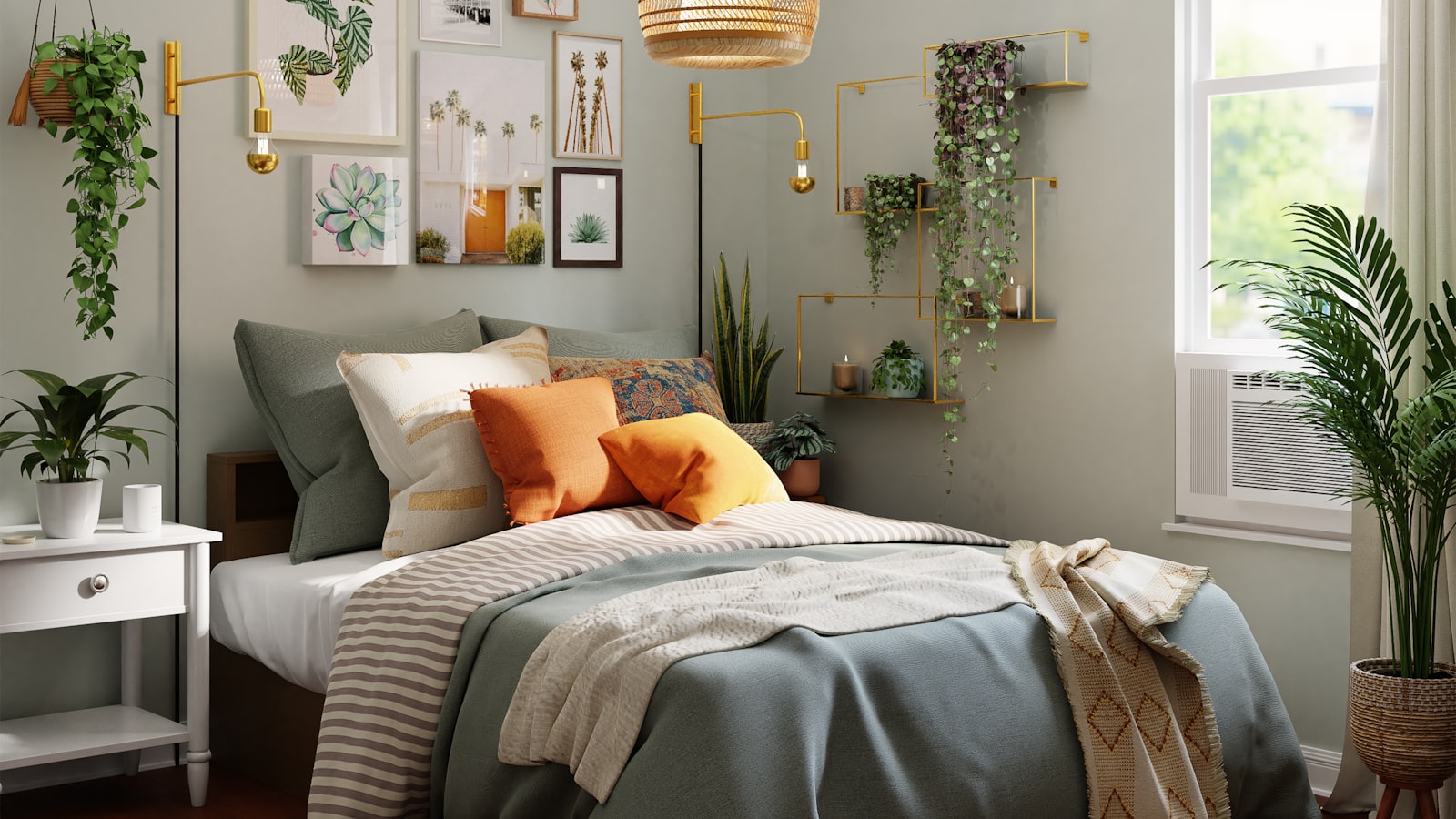
Bringing the outdoors in is essential too. Greenery is not a finishing touch here; it is part of the design. Potted olive or citrus trees, trailing vines, fragrant herbs on a sunny sill, and big leafy plants all carry the garden indoors and keep the connection to nature alive. A Mediterranean room without plants would feel like it was missing its heartbeat. The greenery, the light, and the natural materials all work together to make the indoors feel like a sheltered, comfortable extension of the sunny world outside.
Bringing Mediterranean Warmth Home#
You do not need a coastal villa or a renovation to invite this feeling into your home. The style is rooted in warmth, texture, and relaxed comfort, all of which you can build gradually wherever you live. A few thoughtful moves will carry you most of the way:
- Warm your palette with whites, terracotta, earthy browns, and touches of sea blue or olive green.
- Layer natural materials like terracotta, stone, wood, rattan, and rough plaster.
- Welcome as much natural light as you can and keep window treatments simple.
- Soften the room with curved shapes that echo the look's gentle arches.
- Bring the outdoors in with abundant greenery, especially potted trees and herbs.
As you go, lean into the rustic, handmade quality that defines the style. Slightly imperfect, artisan pieces, a hand-thrown bowl, a woven basket, a textured plaster finish, carry far more of the right spirit than anything sleek and flawless. This is not a look that rewards perfection. It rewards warmth, character, and the sense that real life happens here. Let surfaces show a little honest wear and let the materials be themselves.
Above all, design for gathering and ease. Mediterranean style is about a home that feels generous and unhurried, a place built for long meals, open windows, and lingering conversations. Choose comfortable, welcoming furniture, leave room for people to gather, and resist the urge to make everything too precious to actually use. The relaxed, convivial feeling is the whole point.
In the end, Mediterranean design is less about decorating to a formula and more about cultivating a mood: warm, earthy, sunlit, and at ease. Start with natural materials and a sunbaked palette, welcome the light, bring in plenty of green, and build a home that invites people to slow down. That generous, unhurried warmth is exactly how you design the home you love, one sunny and welcoming room at a time.