There is a quiet confidence to industrial interiors. Exposed brick, raw metal, weathered wood, and the bare bones of a building all left on proud display. Born in converted factories and warehouses, this style finds beauty in the honest and the unpolished, and there is something deeply grounding about a room that has nothing to hide.
The Roots of the Look#
Industrial design has a real origin story, and knowing it helps the whole style make sense. As old factories and warehouses in city centers fell empty, people began converting them into homes and lofts. Rather than covering up the existing structure, the early dwellers embraced it. Exposed brick walls, steel beams, concrete floors, and ductwork were left visible, both out of practicality and out of a genuine appreciation for their rugged character.
That heritage explains the soul of the style: a love of honesty. Industrial design does not hide how a building is made. It celebrates the structure, the joints, the raw surfaces, and the marks of use. There is integrity in that, a sense that the room is showing you its true self. For many people, that authenticity feels like a refreshing antidote to spaces that try too hard to look perfect.
It also carries an undeniable edge. The look is bold, a little urban, and unafraid of imperfection. A scuffed concrete floor or a wall of weathered brick is not a flaw to be fixed here but a feature to be admired. This relaxed acceptance of wear is part of why industrial spaces feel so lived-in and unpretentious, and why they age so gracefully. They were never trying to be flawless in the first place.
The Signature Materials#
Industrial style is, more than anything, a story told through materials. The first chapter is masonry, especially exposed brick and bare concrete. A brick wall brings instant texture, warmth, and history, while concrete floors or surfaces add a cool, grounded solidity. These raw building materials are the backbone of the look and the surest way to evoke it.
The second chapter is metal, usually dark and matte. Black or aged steel appears on shelving, table frames, light fixtures, stair railings, and window frames. This metalwork gives the style its crisp, structural edge and pairs naturally with the masonry. Open metal shelving, in particular, captures the spirit perfectly, functional, honest, and a little raw.
Industrial style finds its warmth in contrast, softening hard surfaces with leather, wood, and the glow of a well-placed bulb.
The third chapter is wood, ideally reclaimed or weathered with visible grain and age. Wood is the great warming agent in an industrial room, balancing all that brick and steel with natural softness. A chunky timber tabletop, reclaimed shelving, or an aged wood bench keeps the space from reading as cold or severe. The interplay of brick, metal, and wood is the recognizable heart of the entire style.
Keeping It Warm and Livable#
The biggest fear people have about industrial design is that it will feel cold, hard, or unwelcoming. That fear is fair, but it is easily solved, and solving it is where the style gets really enjoyable. The secret is contrast. You deliberately pair the hard, raw elements with soft, warm ones so the room feels balanced and human.
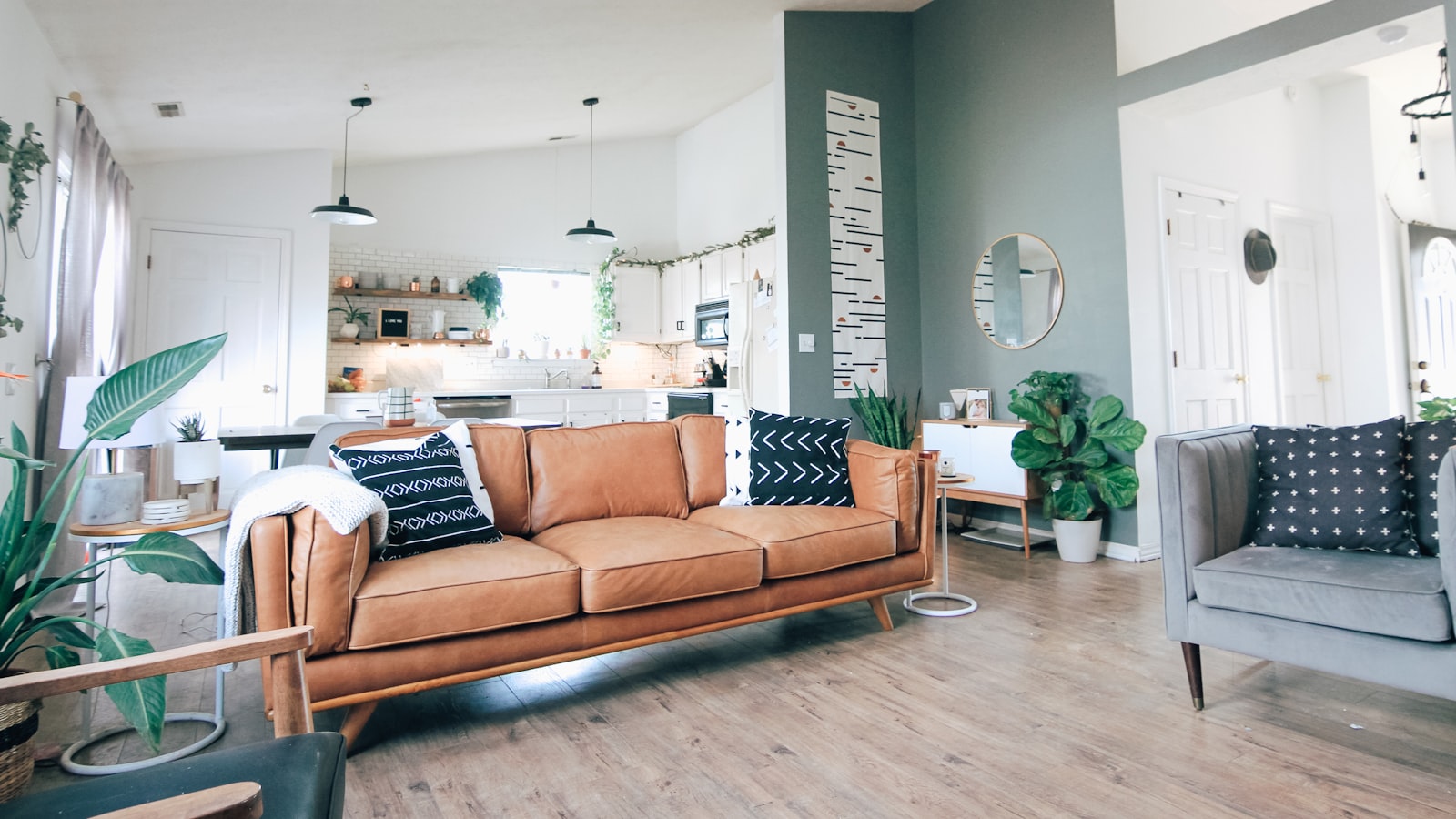
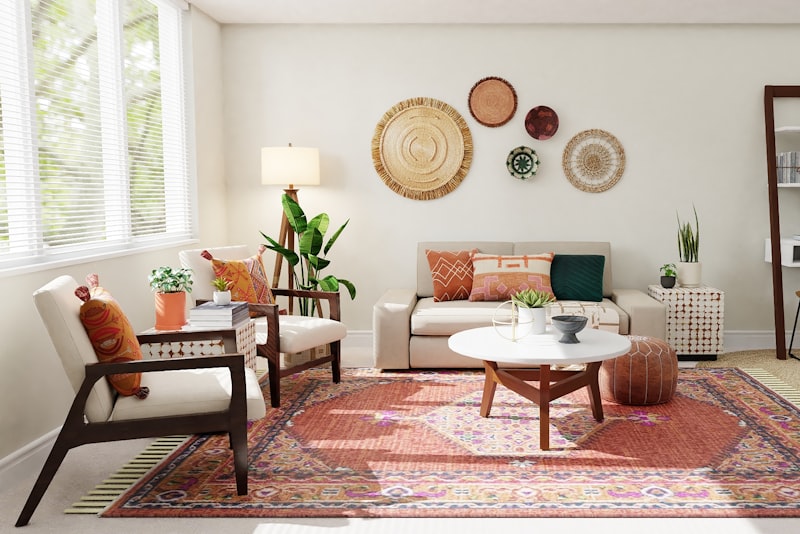
Leather does wonderful work here. A worn leather sofa or armchair adds richness and comfort while still feeling rugged enough to belong. Soft textiles help too, including a chunky throw, a vintage-style rug, or linen cushions that take the edge off all that brick and steel. These touches do not betray the style. They complete it.
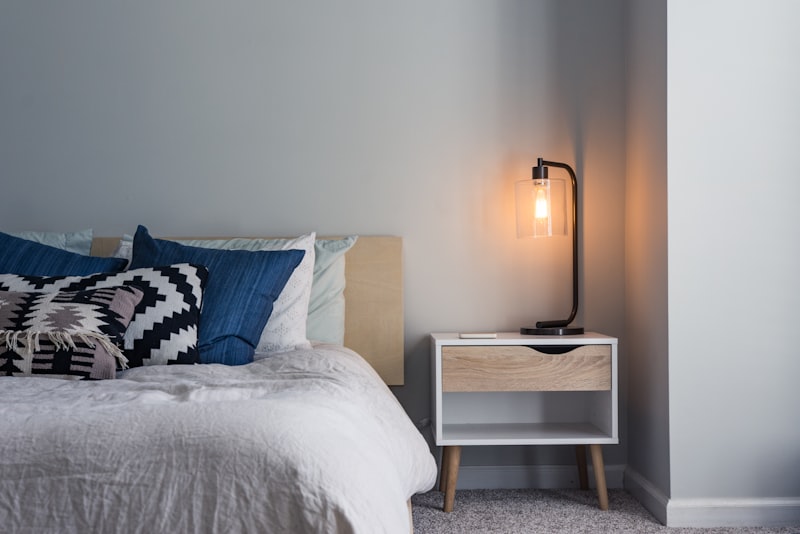
Lighting is your other warming tool, and it matters enormously. Industrial spaces glow best under soft, warm light rather than harsh, even brightness. Exposed Edison-style bulbs, metal pendant lamps, and a few well-placed table lights create pools of golden warmth that flatter the raw surfaces. Greenery is the finishing touch, since a trailing plant or a tall leafy one brings life and softness to the hard lines. If you plan to add or move hardwired fixtures, or alter anything structural, electrical, or related to gas or plumbing, call in a licensed professional rather than tackling it yourself.
Bringing It Into Your Home#
You do not need an actual loft to capture this feeling. The look is surprisingly achievable through finishes, furniture, and lighting alone, and a few moves go a long way.
- Add raw texture with exposed brick, a brick-look surface, or bare concrete tones.
- Bring in dark metal through shelving, frames, table legs, or light fixtures.
- Warm it all up with reclaimed or weathered wood pieces.
- Add a leather seat and soft textiles to balance the hard surfaces.
- Use warm, glowing bulbs and a few plants to bring the space to life.
The one rule worth keeping is to leave a little unfinished. Industrial design loses its charm when it is over-polished or too perfectly arranged. A bit of visible structure, a surface that shows its age, an honest material left plain, that imperfection is the entire point. Resist the urge to smooth every edge, and you will keep the authentic character that makes the style feel real.
What gives industrial design its staying power is that it is built on honesty, and honesty never goes out of fashion. A room that shows its true materials and wears its history openly has a confidence that trend-driven spaces can only envy. Start with one raw surface, add some dark metal and warm wood, then soften it all with leather, light, and a plant or two. That is exactly how you design the home you love, one honest, grounded choice at a time.