Eclectic interior design is the style for people who could never quite pick just one. It happily seats a sleek modern sofa beside an heirloom armchair, hangs a flea-market painting next to a crisp new print, and somehow makes the whole conversation feel intentional. Far from being a free-for-all, it is one of the most personal and rewarding ways to decorate a home.
What Eclectic Really Means#
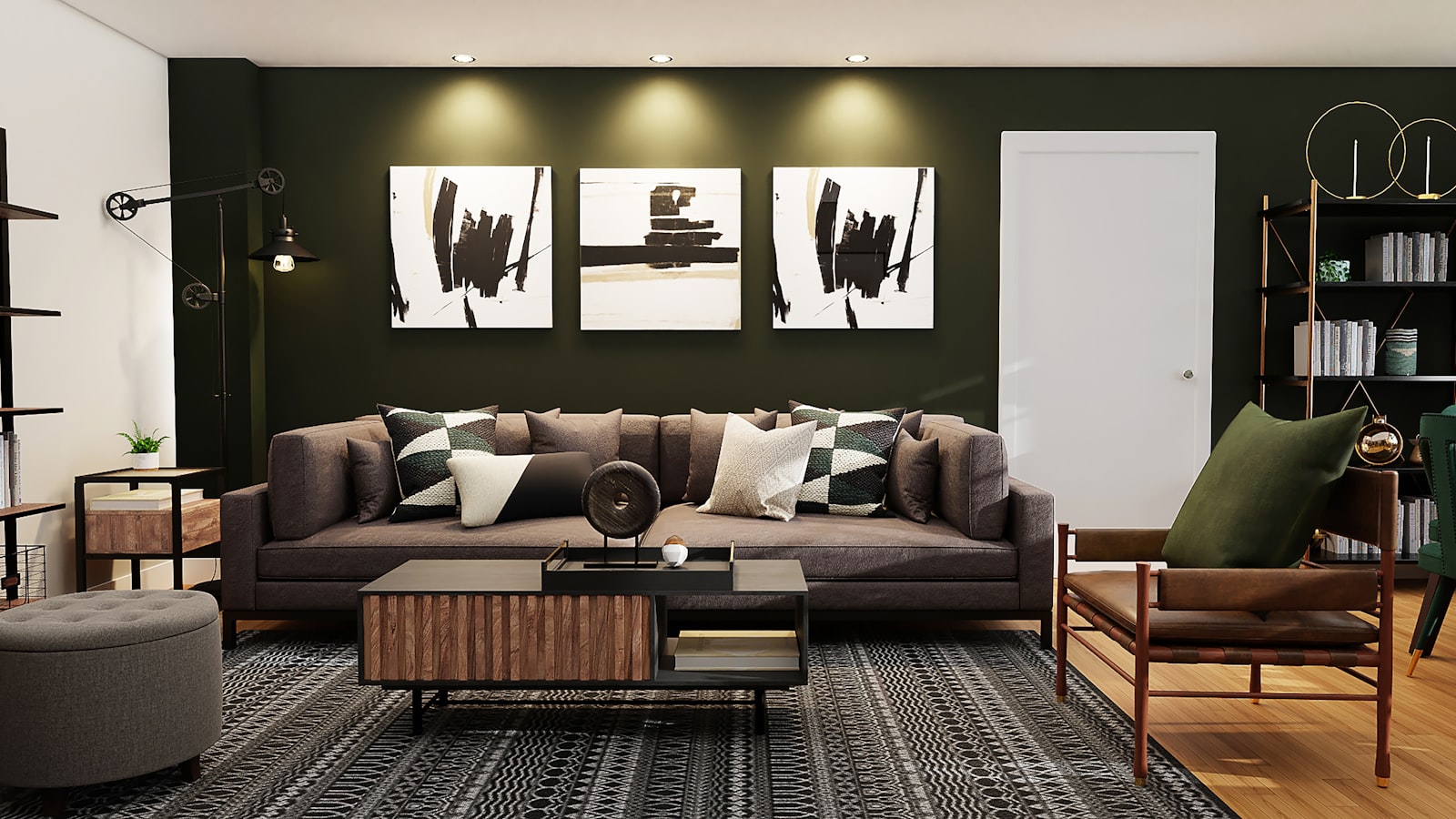
The word "eclectic" simply means drawing from a wide range of sources, and that is exactly what this style does. It pulls pieces from different eras, origins, and design languages and lets them live together in one room. A mid-century chair, a rustic wooden table, a glossy contemporary lamp, and a worn antique rug can all share a space and feel completely at home.
Here is the part that trips people up: eclectic is not the same as random. A room that is genuinely eclectic looks curated, like every piece was chosen by someone with a point of view, even if those pieces span a century of design. A room that is merely cluttered looks like things accumulated without thought. The difference is not how much you own or how varied it is. The difference is whether an invisible thread runs through it all.
That thread is what separates this style from simple chaos, and learning to weave it is the whole craft. The wonderful news is that eclectic design is forgiving and flexible. You do not need a matched set of anything, you do not need everything to be expensive, and you can build the look slowly using pieces you already love. It rewards instinct and a little patience far more than a big budget.
The Secret Is a Common Thread#
If eclectic style has one rule, it is this: give the eye something to hold onto. When you mix wildly different pieces, you need a unifying element that quietly tells the brain "these belong together." Without it, variety reads as noise. With it, the same variety reads as richness and intention.
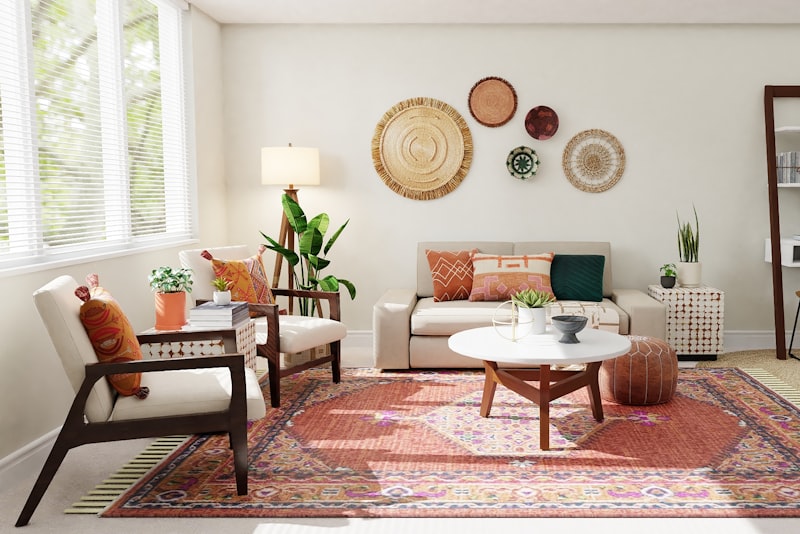
The easiest thread to use is color. Choose a palette of two or three hues and let them repeat around the room, even across very different objects. A deep terracotta might show up in a velvet cushion, the spine of a book, a glazed bowl, and one bold stroke in a painting. Because the color keeps reappearing, your eye relaxes and stops noticing how different everything else is. Suddenly the antique and the modern piece feel like part of the same family.
Eclectic design is not about matching things, it is about making very different things rhyme.
Material is another reliable thread. Repeating warm wood tones, or letting brass appear in a few places, or carrying a particular texture through the room creates the same sense of cohesion. You can also lean on a shared mood: every piece, however different in age or origin, might share a certain warmth, or a certain elegance, or a certain playfulness. Pick your thread, repeat it generously, and your boldest mixes will start to click into place.
Balancing the Mix#
Once you have your unifying thread, the next skill is balance, and it comes down to thinking about scale, weight, and rhythm across the room. Eclectic spaces feel best when the variety is distributed rather than piled into one corner. If all your statement pieces cluster on one side, the room tips and feels lopsided. Spread the drama around so the eye travels comfortably from one area to the next.
Scale is your friend here. Mixing a large, grounding piece like a generous sofa with smaller, more delicate items creates a natural hierarchy that keeps the room from feeling like everything is shouting at once. Let one or two things be the clear stars, then let the rest play supporting roles. Not every object needs to be a showstopper, and in fact a few quieter pieces make the bold ones land harder.
Texture deserves the same attention as color. Part of what makes an eclectic room feel rich rather than flat is the contrast between smooth and rough, soft and hard, matte and shiny. A polished metal lamp beside a nubby linen chair, a sleek glass surface near a coarse woven basket, these pairings give the space depth. Because your palette is doing the unifying work, you are free to let textures be as varied as you like. Variety in feel is what makes the room interesting to live in, not just to look at.
Making It Personal and Pulled Together#
The real joy of eclectic design is that it gives you permission to decorate with the things that mean something to you. The travel souvenir, the inherited mirror, the chair you found and refinished, the art made by a friend, all of these belong, because the style is built around personal story rather than a showroom formula. A home assembled this way could not be copied by anyone else, which is exactly what makes it feel alive.
A few habits will help you keep that personality from sliding into clutter as your collection grows.
- Anchor each room with one or two larger pieces before adding smaller finds.
- Repeat your chosen colors or materials in at least three spots around the space.
- Mix in some negative space and resist filling every surface.
- Pause regularly and remove anything that no longer earns its place.
That last habit matters most. Because eclectic rooms welcome so much variety, they can quietly accumulate until the things you truly love get lost in the crowd. Every so often, stand in the doorway and look with fresh eyes. Ask whether each grouping still feels deliberate or simply busy. Pulling one or two items out almost always makes the remaining pieces breathe and shine. Editing is not the enemy of an eclectic room, it is the discipline that keeps it looking curated.
What makes eclectic design so satisfying, in the end, is that it can never really go out of fashion, because it was never chasing a single trend to begin with. It is a portrait of your own taste, assembled across time, and that means it will always feel current to you. Start with a thread you love, gather slowly, balance with care, and edit with kindness. That is how you design the home you love, one confident and characterful mix at a time.