If you have ever walked into a room brimming with plants, layered rugs, and a happy jumble of colors and felt instantly at ease, you have met bohemian decor. It is the style of the free spirit, the traveler, and the collector. More than any particular look, it is a feeling: relaxed, personal, and gloriously unbothered by rules.
The Spirit Behind the Style#
Bohemian decor, often shortened to "boho," grew out of a way of living rather than a design movement. It draws on the idea of the artist or wanderer who values experiences, beauty, and self-expression over convention. That heritage is why the style feels so warm and human. It was never about impressing anyone. It was about surrounding yourself with the things you love.
This is the most freeing thing about going bohemian: there is no single correct version. Where some styles ask you to follow a tidy formula, boho asks you to follow your heart. The result is a room that looks collected over time, full of pieces that each carry a little story. A rug from a market, a chair you rescued and reupholstered, a shelf of books and trinkets gathered over years all belong together precisely because they belong to you.
That said, "anything goes" does not mean "everything at once." The best bohemian rooms feel abundant but intentional. There is a difference between a space that reads as joyfully layered and one that simply feels cluttered, and learning to tell them apart is the whole art of the style. The good news is that this skill grows naturally as you live with your space and notice what makes you happy.
Texture, Pattern, and a Confident Mix#
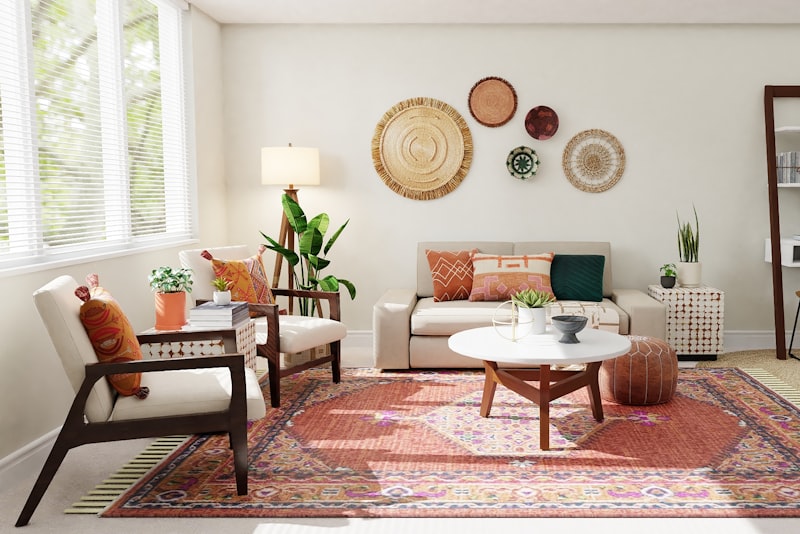
If there is one thing that defines a bohemian room, it is layering. This style loves texture the way a cook loves spice. Woven baskets, macrame, fringed throws, nubby pillows, and a stack of rugs all pile up to create a space that practically invites you to curl up in it. Natural materials do a lot of the heavy lifting here, including rattan, jute, raw wood, clay, and plenty of soft cotton and linen.
Pattern is the other signature. Bohemian decor is fearless about mixing prints, from geometric kilims to florals to global-inspired motifs. The trick that keeps it from looking chaotic is a shared thread, usually a common color or a similar warmth running through the mix. When several patterns share even one hue, the eye reads them as a family rather than a fight.
A bohemian room is not about matching, it is about belonging, where every piece feels chosen rather than coordinated.
Color in boho tends to be rich and earthy, with terracotta, ochre, deep greens, warm rusts, and jewel tones appearing often. But there is no rulebook. Some bohemian rooms lean pale and airy, all creamy whites and natural fibers. Others go bold and saturated. What matters is that the palette feels like yours and that the pieces look at home together.
Plants, Light, and Living Energy#
You can hardly picture a bohemian space without greenery, and there is good reason for that. Plants bring the look to life in the most literal sense. A trailing pothos on a high shelf, a fiddle-leaf fig in a sunny corner, or a cluster of small pots on a windowsill adds movement, color, and a sense of being cared for. They soften hard edges and make a room feel like it is breathing.
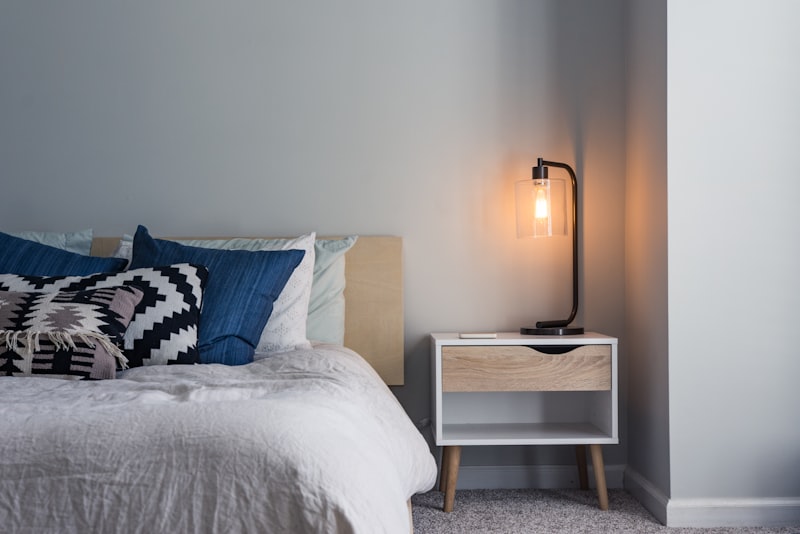
Lighting in a bohemian home leans warm and gentle rather than bright and even. Think layered sources rather than one harsh overhead glow: a paper lantern, a string of small lights, a table lamp with a warm bulb, and the flicker of a candle or two. This kind of soft, multi-point lighting flatters the textures and casts the cozy mood the style is famous for. If you are tempted to rewire fixtures or add hardwired lighting, bring in a licensed electrician rather than improvising.
The combination of living plants and warm, low light is what gives a boho room its particular magic. It feels less like a decorated space and more like a thriving little world you get to inhabit. That sense of life is something no amount of expensive furniture can buy, which is part of why this style is so welcoming to anyone, on any budget.
Bringing It Into Your Home#
You do not need to overhaul anything to start. Bohemian decor rewards gradual gathering more than a single shopping trip, and it loves what you already own. A few moves will carry you a long way toward the feeling.
- Layer a smaller patterned rug over a larger plain one to add instant depth.
- Pile on cushions and throws in mixed textures that share one common color.
- Bring in real plants, even a few easy ones, to wake the room up.
- Display the things you love openly, from books to ceramics to travel finds.
- Choose warm, layered lighting over a single bright overhead fixture.
As your room fills out, the one discipline worth keeping is gentle editing. Because boho leans abundant, it can quietly cross the line into clutter if you never pause to assess. Every so often, stand back and ask whether each grouping still feels joyful or just crowded. Removing one or two things often makes the pieces you truly love stand out more. That small act of restraint is what separates a relaxed, soulful room from a busy one.
What makes bohemian decor so lasting is that it can never really go out of style, because it was never chasing style to begin with. It is built from your own taste, your own travels, and your own memories, which means it will always feel current to the one person who matters most. Start with a single layered corner, add a plant and a warm light, and let your room grow into a portrait of you. That is exactly how you design the home you love, one collected, cherished piece at a time.