Renting can feel like decorating with your hands tied — you want a home with personality, but you can't paint, can't paper, can't drill into the walls without risking your deposit. Peel-and-stick decor is the quiet hero of that situation. It lets you add real color, pattern, and character to a rental and then take it all back down when you leave, ideally without a trace.
Why peel-and-stick works so well for renters#
The whole appeal comes down to one word: reversible. Traditional wallpaper, paint, and tile are commitments — beautiful, but permanent enough to cost you a deposit in a rental. Peel-and-stick products are designed to do the opposite. They go on with an adhesive backing, no special tools, and they're meant to come off cleanly later. That combination of low effort and low risk is exactly what a renter needs.
It's also forgiving in a way permanent decor never is. Because you can reposition most peel-and-stick products as you apply them and remove them entirely if you change your mind, there's far less pressure to get it perfect the first time. You can be braver — try a bold pattern, a deep color, a graphic tile — knowing the decision isn't forever. That freedom to experiment is genuinely liberating when you've spent years staring at walls you weren't allowed to touch.
There's a budget benefit, too. Because you're working with sheets and tiles rather than calling in a professional or buying specialized materials, peel-and-stick decor costs a fraction of the real thing, and you only buy as much as the area you're covering. A single accent project can transform how a room feels for very little, and if your taste shifts in a year, you've lost almost nothing by changing it. For renters who move often, that pay-little, change-freely quality is exactly right — your decor can move and evolve as easily as you do.
Before any of that, though, one rule comes first. Read your lease and ask your landlord before you apply anything, even products marketed as fully removable. Some leases have specific clauses about wall treatments, and a quick conversation — ideally with a yes in writing — protects both your deposit and your relationship with the person who owns the place. "Removable" is a promise, not a guarantee, and getting permission first means you can enjoy the makeover without a knot in your stomach about move-out day.
Where to use it for the biggest impact#
You don't need to cover a whole apartment to transform it. In fact, peel-and-stick decor looks best and removes easiest when you treat it as an accent rather than a full surface. A little, placed well, does an enormous amount.
The smartest renter decorating gives a room one bold moment, not ten timid ones — and one removable accent is easier to live with and to undo.
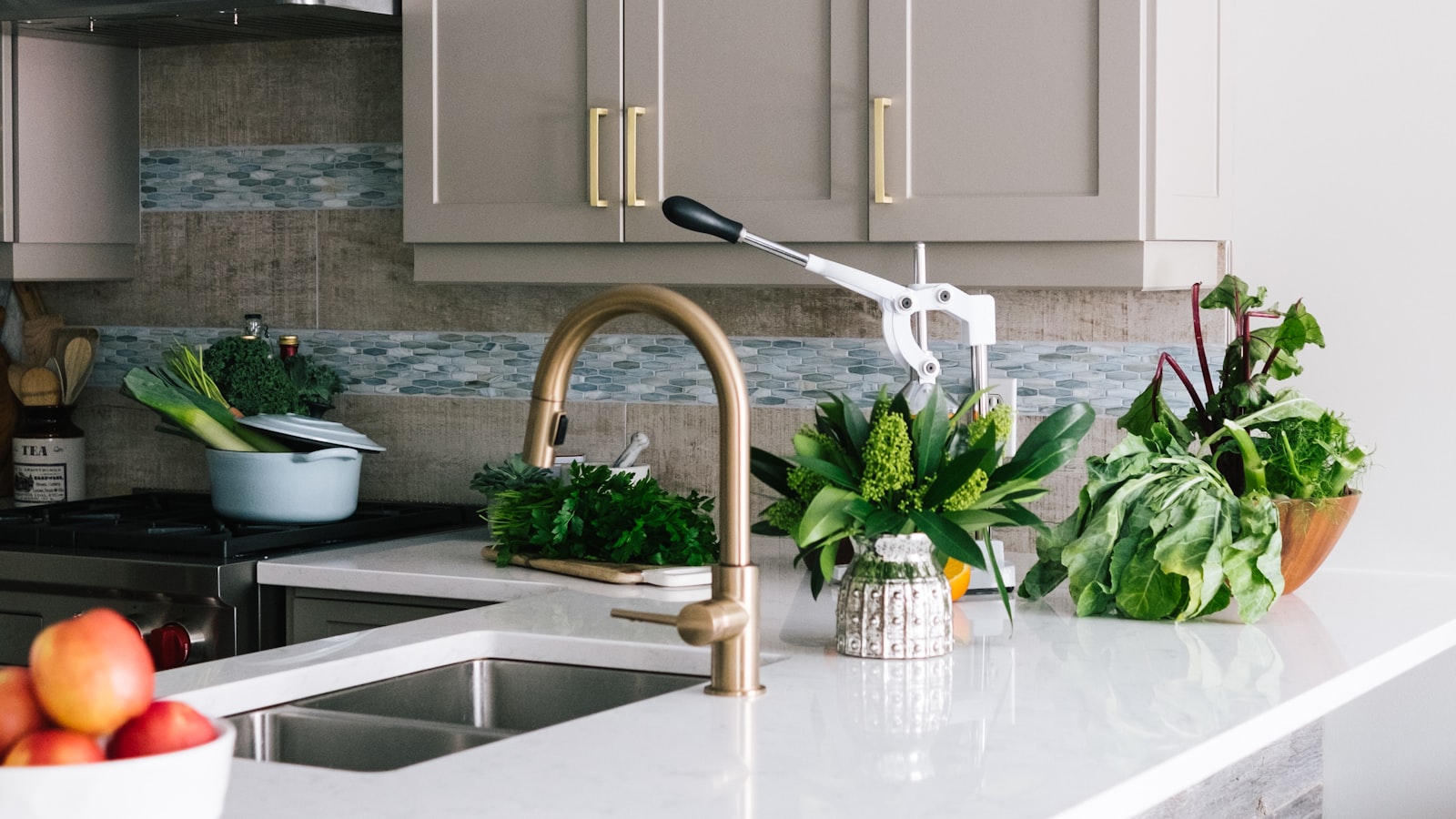
Think about the spots where pattern and color earn their keep. An accent wall behind a bed or sofa turns a plain room into one with a clear focal point. The back of a bookshelf or an open cabinet, lined with a patterned paper, adds a surprise of color every time you look at it. A kitchen backsplash or a small bathroom can be lifted with peel-and-stick tile that mimics the real thing without grout or a contractor. Even smaller surfaces work beautifully — the front of an old dresser, the risers of a stairway, the inside of a closet door. Because these areas are contained, they're cheaper to cover, faster to apply, and far simpler to remove than an entire room.
A few proven places to start:
- One accent wall as a room's focal point, behind the bed, sofa, or desk.
- The back panel of a bookcase or glass-front cabinet for a pop of pattern.
- A backsplash, a tabletop, or tired furniture fronts refreshed with stick-on tile or film.
Concentrating your effort this way also keeps the look intentional. A single confident accent reads as design; the same paper sprawled across every wall can start to feel busy and is much harder to peel off later.
Apply it cleanly so it comes off cleanly#
How well peel-and-stick decor removes later depends almost entirely on how you put it up. The surface underneath matters most. These products grip best on walls and furniture that are smooth, clean, dry, and fully cured — that is, paint that's been on for a good while, not a freshly painted wall, which can pull when you remove the adhesive. Wipe the surface down, let it dry completely, and you've done most of the work toward a clean release later.
Texture is the other thing to check. Heavily textured or glossy walls, and surfaces that flake or shed, don't give the adhesive a fair grip, so the product can lift at the edges or fail to stick at all. Run your hand over the wall first; if it's bumpy or slick, peel-and-stick may not be the right tool there. When the surface is right, work patiently — apply slowly, smooth out air bubbles as you go with a flat edge or a soft cloth, and line patterns up carefully at the seams. Most products let you peel back and reposition in the first moments, so take advantage of that and don't rush.
Keep the safety basics in mind, too. If a project needs a ladder, set it on level ground and don't overreach; cut materials on a protected surface with a sharp blade and steady hands. None of this is heavy DIY, but a careful, unhurried approach gives a far better result. And when it's eventually time to take everything down, peel slowly from a corner at a low angle, warming stubborn spots gently if needed, so the surface underneath stays exactly as you found it.
Peel-and-stick decor isn't a compromise you settle for because you rent — it's a genuinely smart, flexible way to make any home feel like yours without the permanence or the cost of the real thing. Get your landlord's blessing, choose a few high-impact spots, prep your surfaces well, and apply with patience. Do that, and your rental can have all the color, pattern, and personality you've been craving, with your deposit safe and your style fully on display. When you move on, it all comes down with you — ready to make the next place feel like home, too.