Almost no one has an unlimited decorating budget, and the ones who do rarely end up with the most interesting homes. The real skill isn't having more money to spend — it's knowing where to spend the money you have. A modest budget placed thoughtfully will always outperform a large one scattered without a plan, and learning that order is what separates a home that feels considered from one that feels merely furnished.
Invest where your body actually lands#
The first rule of a smart decorating budget is to spend on the things you physically use the most. Your body knows the difference between a quality piece and a cheap one long before your eye does, and the items it meets every day are worth more of your money than the things you only look at.
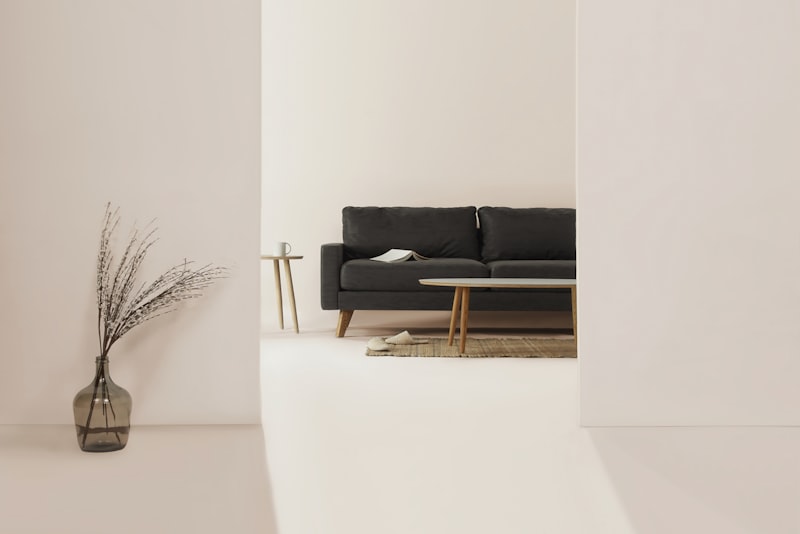
Think about where you spend real hours. The mattress you sleep on for a third of your life, the sofa you collapse into every evening, the chair that holds you through a workday — these are the pieces that reward investment, because comfort and durability are felt daily and cheap versions wear out fast. A well-made sofa or a good mattress costs more upfront, but spread across years of constant use, it's often the better value as well as the kinder choice for your back. This is where a tight budget should plant its flag first.
The same principle extends to the things your hands work with constantly. A solid dining table, a desk that doesn't wobble, drawers that glide instead of stick — the quality of these everyday interactions quietly shapes how your whole home feels to live in. Spend here, and you'll feel the benefit every single day. Skimp here, and you'll feel the frustration just as often. The goal isn't to buy the most expensive version; it's to buy the best-made version you can afford of the things you'll use the hardest.
Save on what's easy to change#
If the first rule is to invest in what you use, the second is its mirror: save freely on the things you can swap out cheaply and often. Decorative, trend-driven, and easily replaced items are precisely where a budget should stay light, because their job is to flex and change while the bones of the room stay constant.
Cushions, throws, vases, candles, smaller artwork, and seasonal accents are all designed to be rotated. They follow your mood and the calendar, and you'll likely want to change them long before they wear out, so paying premium prices for them rarely makes sense. Buy these affordably, enjoy them, and feel free to move on when your taste shifts. The beauty of treating accessories as the cheap, changeable layer is that it lets you experiment without risk — a bold color or a passing trend is a small, reversible bet when it lives in a pillow cover rather than a sofa.
Spend on the things that are hard to change, and save on the things that are easy to swap.
That single sentence is the most useful budgeting test there is. Before any purchase, ask how hard and expensive it would be to change your mind later. A wall color, a sofa, or a dining table is a long commitment, so it deserves more thought and more of your budget. A throw pillow, a set of candlesticks, or a print is a short commitment, so it deserves less. Run every decision through that filter and your money naturally flows to the right places, almost without effort.
Spend on the bones, not just the furniture#
Some of the best uses of a decorating budget aren't furniture at all — they're the elements that frame everything else in a room. Light, the things underfoot, and the treatment of the windows quietly determine whether a space feels finished or flat, and they're often underfunded because they're easy to overlook.
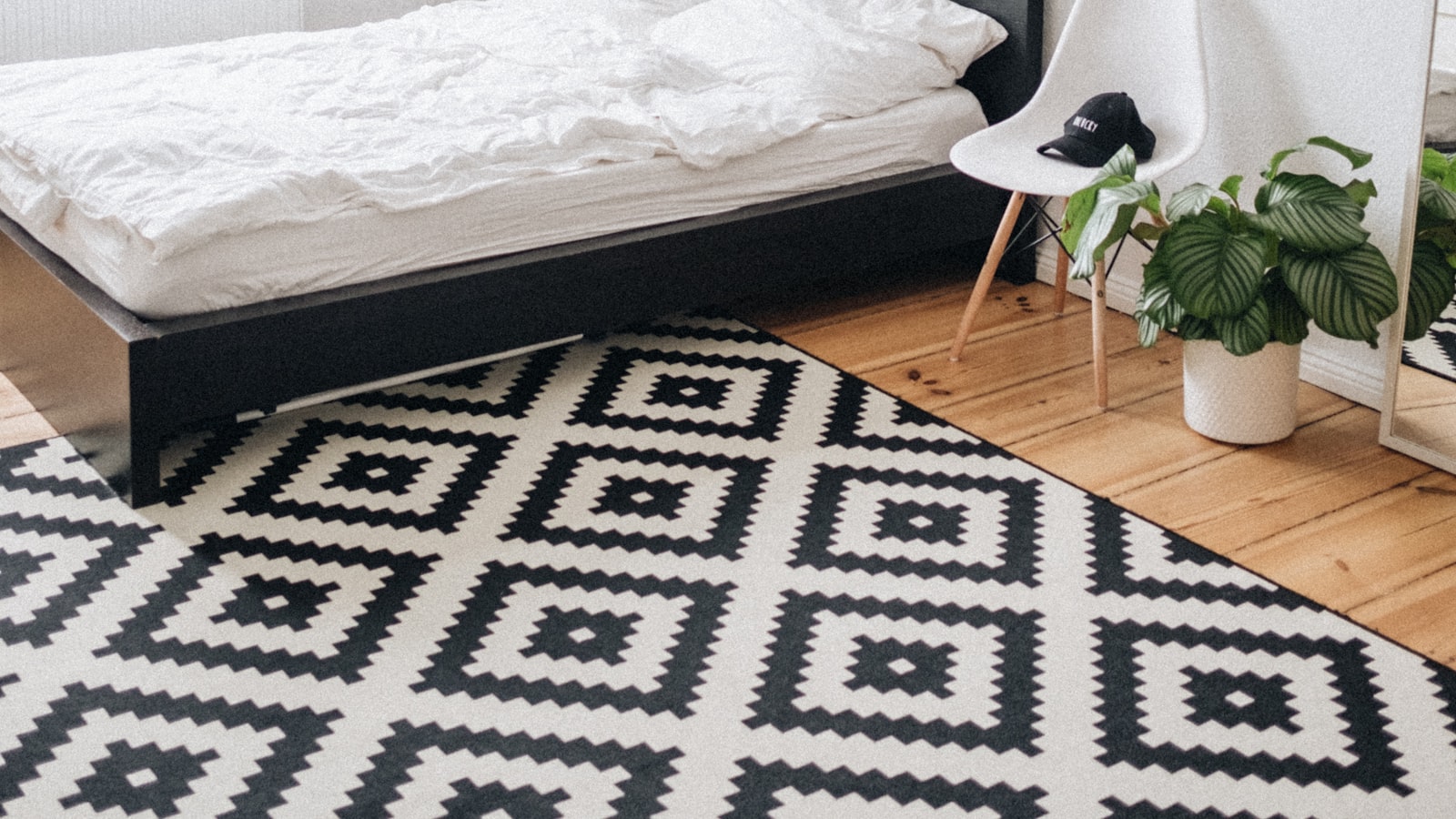
Good lighting punches far above its cost. A few well-placed lamps that create warm pools of light will flatter inexpensive furniture and lift the whole mood of a room far more than another decorative object would. A rug of the right size anchors a seating arrangement and makes a room feel intentional, and curtains hung high and wide make windows — and the whole room — feel taller and more generous. These are the elements that read as "designed," and a budget that funds them well will look richer than one that pours everything into a single statement piece while the room around it stays dim and bare.
Be just as deliberate about a few things worth funding properly:
- Lighting you can layer, so the room works for both tasks and rest.
- A rug sized to fit the seating, not a small one that floats.
- Window treatments hung generously to add height and softness.
There's wisdom, too, in spending on the changes that are genuinely hard to undo. If a room needs paint, a thorough, well-prepped job is worth doing right the first time. If you rent, that may not be your call — check your lease and ask your landlord before painting or making fixed changes, and if any work involves wiring or anything structural, bring in a licensed professional rather than improvising. The bones of a room are the one place where doing it properly, even slowly, pays off for years.
Buy slowly and leave room to grow#
The final principle is the one that makes all the others work: you don't have to spend the whole budget at once, and you'll get a better home if you don't. A space assembled gradually, as you learn how you actually live in it, ends up more personal and more correct than one bought in a single anxious sweep.
Give yourself permission to live with gaps. An empty corner is an invitation, not a failure — it leaves room for the right piece to arrive, whether that's a thrifted find, a saved-for investment, or a hand-me-down with a story. Buying slowly also lets you spread the cost over time, so the pieces you do invest in can be the quality ones, while the changeable layer fills in affordably around them. The home that results feels collected rather than ordered, and that's a quality no budget can buy in a hurry.
Prioritizing a decorating budget, in the end, is really about honesty: about where you actually spend your time, what you'll genuinely keep, and what you can happily let go and change. Invest in the pieces your body meets every day, save on the ones your taste will outgrow, fund the light and the bones that frame it all, and let the home come together at its own pace. Spend in that order and even a small budget will carry you a remarkably long way — straight to a home that feels considered, comfortable, and entirely your own.