The living room is the hardest-working room in most homes, and somehow the one people freeze up over the most. You want it to look pulled together, but you also want to flop on the sofa with a snack and not feel like you're disturbing a museum. Good news: those two things are not at war, and you do not need a designer's budget or a degree to get there.
Start With How You Live, Not How It Looks#
Before you touch a single cushion, sit in the empty room for a minute and be honest about what actually happens here. Do you watch movies? Read? Host a crowd of friends, or curl up solo? Is there a TV, and does it need to be the focal point, or would you rather it disappear when it's off? A living room that fits your real life will always feel better than one copied from a photo of someone else's.
Write down the three things you do most in this space. Maybe it's watching shows, having coffee with a friend, and the kids spreading out toys. Every decision after this — where the seating goes, how much surface area you need, what gets stored where — should serve those three things. This single habit is the difference between a room that looks nice and one that works.
Think about traffic, too. There's usually a natural path people take from the door to the sofa to the kitchen. If you can keep that path clear, the room will feel calm instead of cramped, no matter its size.
Anchor the Room With Seating and a Rug#
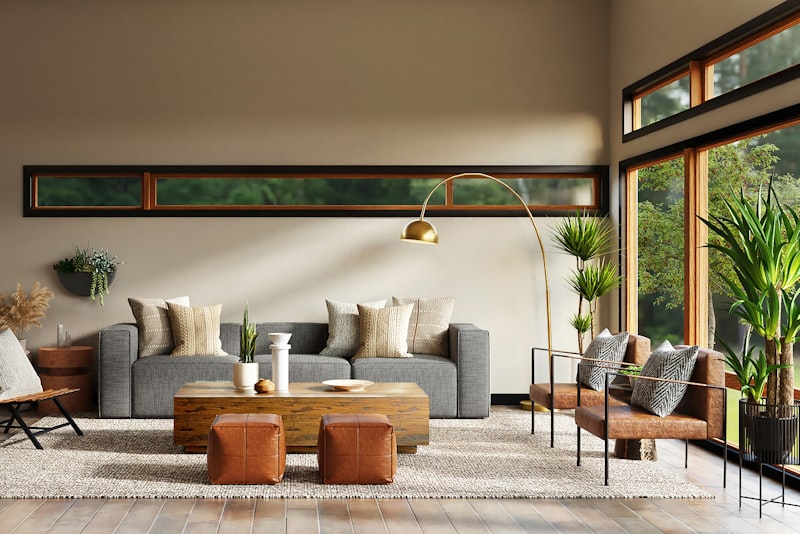
The sofa is the heart of the room, so place it first. In most living rooms it works to float the sofa against the longest unbroken wall or to face it toward the main focal point, whether that's a window, a fireplace, or the TV. Then build the rest of the seating around it so people can actually see and talk to each other. Chairs angled toward the sofa create conversation; chairs lined up against the walls create a waiting room.
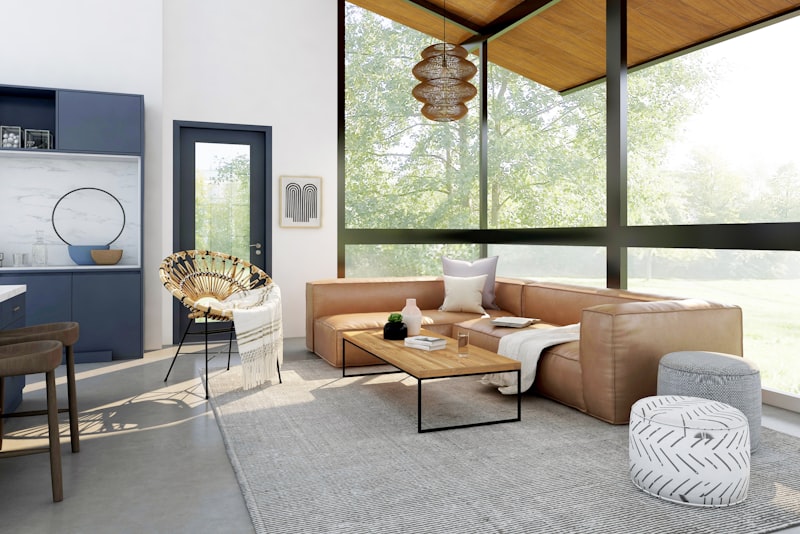
Here's the mistake I see most often: a rug that's too small. A postage-stamp rug floating in the middle makes everything around it look like it's drifting away. As a rule of thumb, the rug should be large enough that at least the front legs of every major seating piece sit on it. That one move pulls the whole arrangement together and makes the room feel intentional.
Leave breathing room between pieces — enough to walk through comfortably and to set a cup down without a stretch. A coffee table within easy reach of the sofa, roughly knee height, gives you a landing spot for drinks, books, and feet. If you entertain, consider a couple of small side tables or a pair of poufs that can move where they're needed.
A room doesn't need more furniture to feel finished — it needs the right pieces, given enough room to breathe.
Light It in Layers#
Nothing transforms a living room faster than getting the lighting right, and nothing flattens it faster than a single overhead fixture blazing down on everyone. The trick is layers: a mix of light sources at different heights that you can adjust depending on the mood and the time of day.
Aim for three kinds of light working together:
- Ambient — the general glow that fills the room, often from a ceiling fixture or a few well-placed lamps.
- Task — focused light for reading or working, like a floor lamp beside a chair.
- Accent — the cozy, atmospheric touches: a table lamp on a low setting, a string of warm lights, a candle.
Put as much of it as you can on dimmers or use warm, low-wattage bulbs so the room can shift from bright and lively in the afternoon to soft and restful at night. If you rent or don't want to rewire anything, plug-in floor and table lamps do almost all of this work without touching the ceiling. Any change involving the wiring itself — moving a fixture, adding a wall sconce, installing a dimmer switch — is a job for a licensed electrician, not a weekend experiment.
Add Color, Texture, and a Little of You#
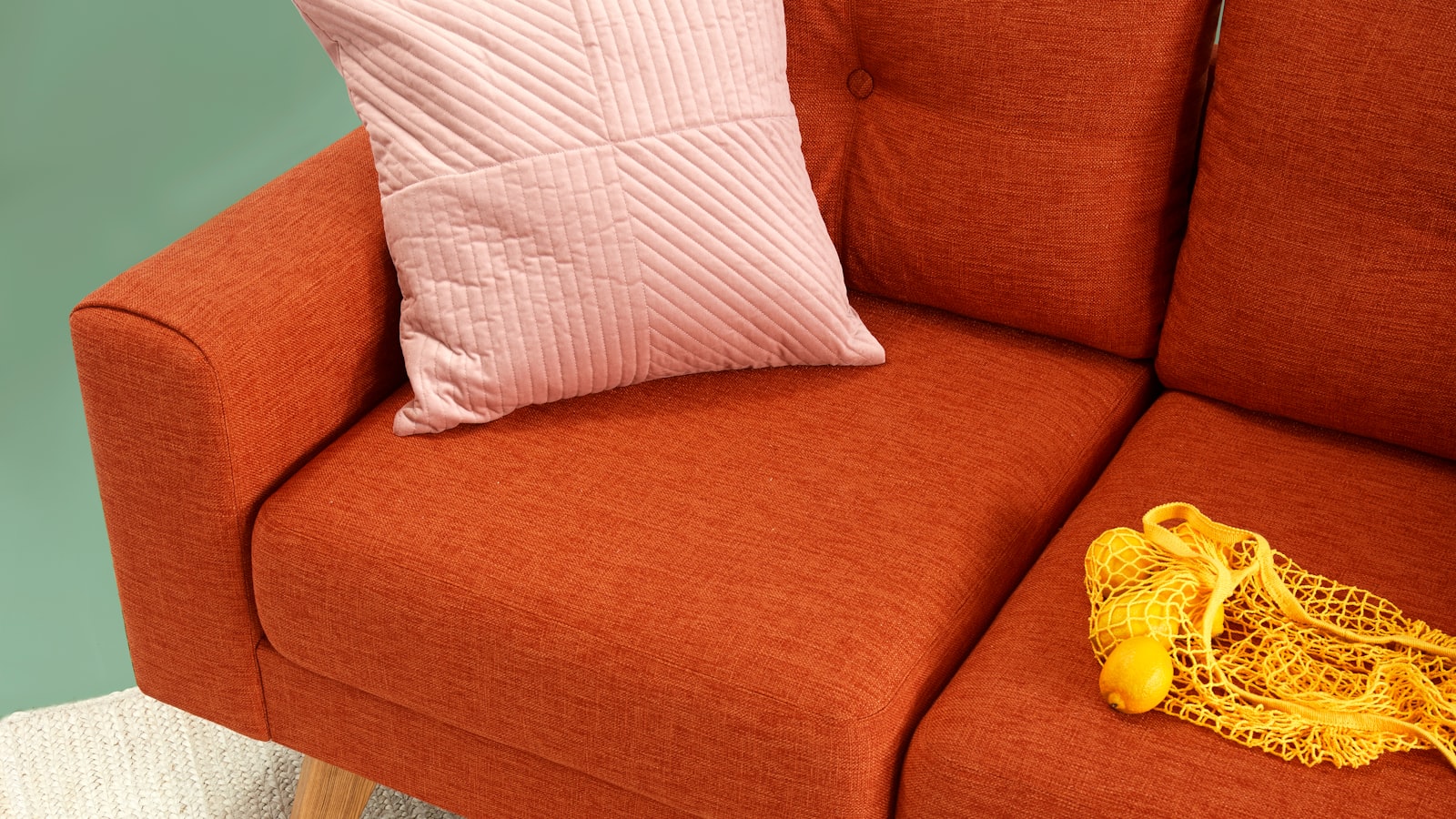
With the bones in place, this is the fun part — and the part to save for last. A living room comes alive through texture far more than through expensive things. Layer a chunky throw over the arm of the sofa, mix cushion fabrics (a smooth linen next to a nubby weave), and let a basket or a wooden bowl add a bit of warmth. The goal is contrast you can feel, so the eye has somewhere to rest.
Keep your color story simple. Pick a calm base for the big pieces — sofa, walls, rug — and bring personality in through the things that are easy to swap: cushions, art, a vase of branches. This way you can refresh the room with the seasons or your changing taste without repainting or rebuying. If a color makes you happy, it belongs here; there are no wrong colors, only wrong rooms for them.
Finally, give the room a few things that are unmistakably yours. A stack of books you've actually read, a photo, a piece of art you found on a trip, a plant you've managed to keep alive. These are what stop a room from looking like a showroom and start it looking like home. Don't overdo it — a handful of meaningful objects beats a shelf crammed with filler every time.
Make It Yours and Let It Evolve#
A living room is never really finished, and that's a relief, not a failure. You'll live in it, notice what bugs you, nudge the chair a few inches, and slowly it becomes more yours. Start with how you live, anchor the seating, get the light right, and add the personal layer last — do those four things and you'll have a room that looks good and, more importantly, feels good to be in. That's the whole point. Design the room you actually want to sit in, and the rest tends to fall into place.