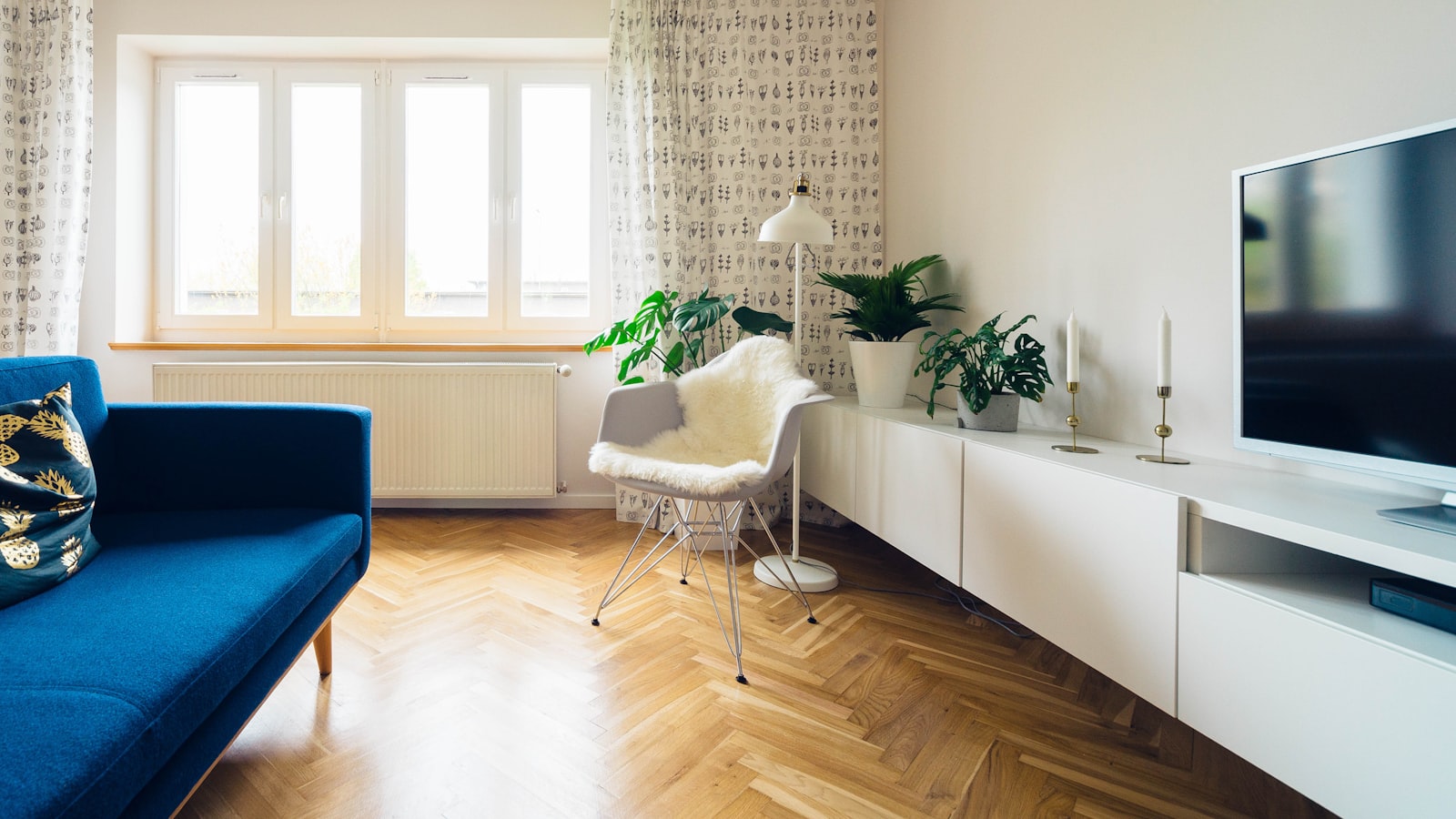
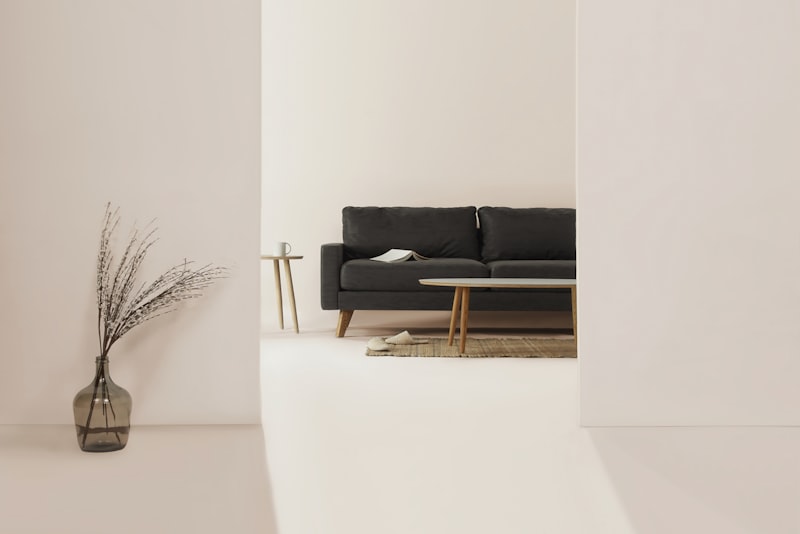
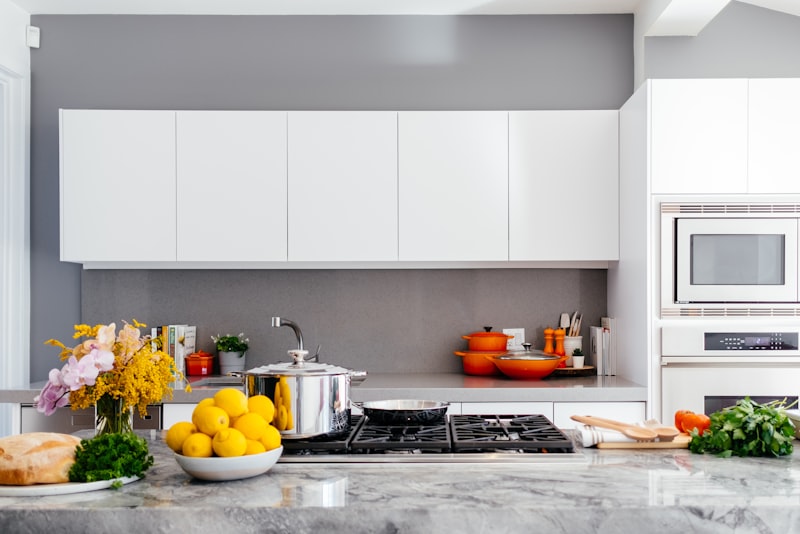
When a room starts to feel flat, the instinct is to go shopping. But the most powerful decorating tool you own is already in your house, scattered across the rooms you stopped really seeing months ago. Learning to decorate with what you have is the most affordable skill in design, and once it clicks, you will never look at your own belongings the same way again.
Shop your own home first#
Before buying a single new thing, go shopping in the rooms you already have. Over time, our belongings settle into fixed spots and become invisible to us, but moved into a new context, the same objects can feel surprisingly fresh. The art that has grown unseen in the hallway might be exactly what an empty bedroom wall needs. The vase gathering dust on a high shelf becomes a small event on a clear coffee table. A chair, a basket, a lamp, a stack of books — relocated to a new room, your own things read as new.
Walk through your home with a notebook and an unhurried eye, looking at every piece as if you were seeing it for the first time. Ask what each object would do somewhere else. That brass bowl collecting keys by the door might be lovely holding fruit in the kitchen; the rug in the spare room you rarely enter might transform the entry you walk through every day. This is not about putting everything in motion at once. It is about noticing that your home is a kit of parts you are free to rearrange, not a set of fixed rooms.
The deeper benefit is that this habit trains your eye. Once you start seeing your belongings as movable and recombinable, you stop reaching for your wallet every time a room feels tired. When you do eventually buy something, you will do it deliberately, to fill a real gap, rather than to chase a feeling that rearranging could have given you for free. That shift alone will save you more money over the years than any sale ever will.
Edit before you add#
A surprising amount of what reads as tired is really just too much. Rooms accumulate quietly: objects creep onto every surface, and a slow gallery of things we stopped seeing builds up until the whole space feels heavy. The first move in decorating with what you have is not adding but subtracting. Clear a surface completely, then put back only what you genuinely love or use. The empty space you create is not a void waiting to be filled. It is the breathing room that makes the pieces you keep feel chosen and special.
A refreshed room is not the one with the most in it. It is the one where everything that remains has a clear reason to be there.
Editing costs nothing but a little honesty about what is earning its keep, and it can turn a cluttered room calm in a single afternoon. As you go, set aside anything that no longer fits the room. Do not throw it out yet; this is exactly the stuff you will shop with when you restyle the next room. One space's clutter is often another space's missing piece, and editing simply moves things into a holding area where you can see them clearly. Approached this way, decluttering stops feeling like loss and starts feeling like sorting your own private shop.
Be gentle with yourself in this process. You are not aiming for bare minimalism unless that is your taste; you are aiming for a room where the things you love have enough space to be noticed. Some surfaces will want to stay full and layered, and that is fine. The point is that fullness should be a choice, not an accident of accumulation.
Restyle with a stylist's eye#
Once a room is edited, the real fun begins: restyling what remains so it looks designed rather than merely present. The tricks stylists use are simple and free. Group objects in odd numbers, since threes and fives feel more natural to the eye than even, matched pairs. Vary the heights within a grouping so the arrangement has rhythm, perhaps a tall vase, a stack of books, and a small object resting on top. Let a few pieces have space around them rather than crowding every inch. These small adjustments are the difference between a surface that looks accumulated and one that looks intentional.
Think about your home in terms of small moves that cost nothing:
- Turn favorite books spine-out, or lean a piece of art instead of hanging it.
- Stack a couple of vessels and tuck the rest away to be rotated later.
- Float a chair into a sunny corner, or angle a sofa toward the window instead of the television.
Pay attention to where the light falls as you work. A reading chair moved into a bright corner or a plant relocated to catch the morning sun changes how often you actually use a spot, which is its own quiet refresh. Trust your taste throughout. The arrangement that makes you pause and smile is the right one, regardless of any rule. Live with a new setup for a few days before deciding, because nothing here is permanent and play is exactly the right mindset.
A home that always feels current#
Decorating with what you already have is really about seeing your home clearly. Shop your own rooms before you buy, edit a space down to what you love, then restyle the rest with a little intention, and a familiar room can feel genuinely new without a single purchase. None of it requires money, a trade skill, or permission. It only asks for time, a critical eye, and the willingness to treat your belongings as the flexible, recombinable collection they already are.
So this weekend, pick one tired corner and refresh it using nothing you do not already own. Pull everything off a surface, walk the house for pieces that have grown invisible, and rebuild the spot with the things that still make you happy. When you finish, you will not have a new room exactly. You will have rediscovered the one you had, transformed by nothing more than care and attention. That is the most sustainable, satisfying, and budget-friendly decorating there is, and the supply never runs out.