A coffee table looks like a simple thing — a low surface in front of the sofa — but it quietly does a lot. It holds your drinks and your feet, anchors the seating area, gives the room a center of gravity, and styles up beautifully when you want it to. Because it sits right in the middle of everything, getting its size, height, and shape right makes the whole living room feel pulled together.
Get the size in proportion#
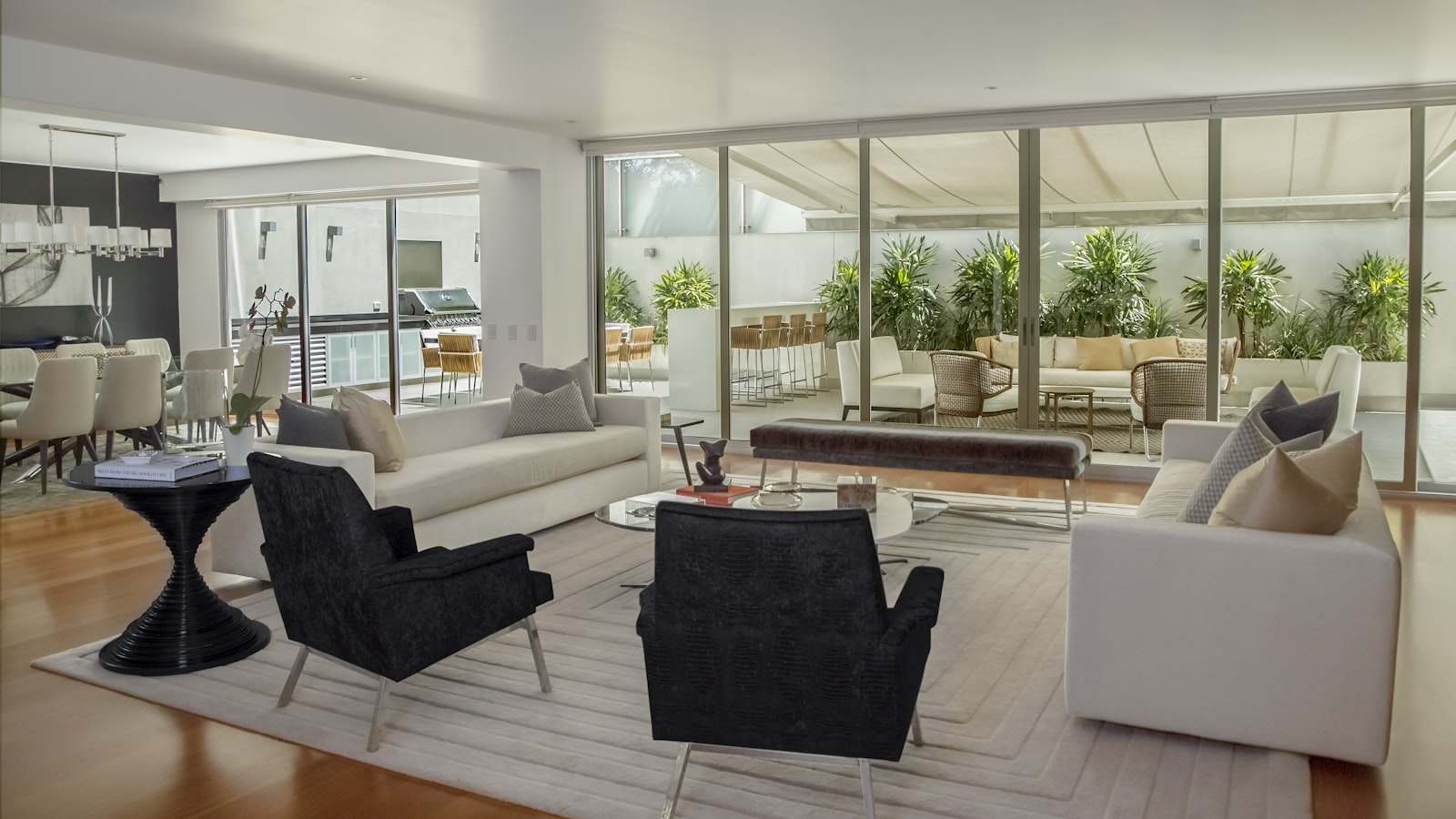
The most common coffee table misstep is one of scale: a table that's too small floats lost in front of a big sofa, while one that's too large crowds the room and blocks the path. The fix is to think in proportion to the sofa, your main reference point. A reliable guideline is to choose a table roughly two-thirds the length of the sofa it sits in front of. That ratio keeps the table substantial enough to feel intentional without overwhelming the seating.
Width and depth matter just as much as length. The table should be deep enough to actually hold things — drinks, a book, a tray — but not so deep that you can't reach across it comfortably from the sofa. You want to be able to set down a mug without standing up or stretching awkwardly, so keep the far edge within an easy arm's reach. A table you have to lean and strain over is a small daily annoyance that adds up.
Proportion also depends on the table's visual weight, not just its measurements. A chunky solid table reads heavier and fills more of the room's visual space, which suits a large or sparsely furnished room. A table with slim legs, a glass top, or an open base feels lighter and lets the eye and the floor pass through it, which is a gift in a small or busy living room. Two tables of identical size can feel completely different depending on how solid or airy they are, so picture the weight, not only the footprint.
Match the height to your seating#
Height is the detail that separates a coffee table that works from one that fights you, and it's easy to get right once you know what to look for. The goal is for the tabletop to sit at a comfortable, natural level relative to the seat of your sofa — close to the same height or just a touch lower. When the heights are in harmony, reaching for a drink or setting down a book feels effortless, the way good furniture should.
A table that's much too low makes you stoop and reach down, while one that's too tall looms awkwardly in front of the seat and looks top-heavy. If your sofa has unusually low or high cushions, measure the seat height before you shop, since standard tables assume a standard sofa. This single measurement saves you from the frustrating discovery that your handsome new table is the wrong height for the seat you actually own.
The best coffee table is the one you barely notice using. When the height is right, your hand finds your mug without your eyes ever leaving the conversation.
It's worth thinking about how you really use the room here, too. If you like to put your feet up, prop your laptop, or eat the occasional dinner in front of the television, a sturdier table at a comfortable working height earns its place. If the table is mostly for drinks and decoration, you have more freedom to chase a lower, sleeker look. Let your habits, not just the showroom styling, guide the height you choose.
Pick a shape that suits the space#
Shape changes both how a coffee table looks and how safely it lives in your room. A rectangular table is the classic match for a standard sofa, mirroring its lines and offering plenty of surface to spread out on. It's the dependable default, especially in front of a long sofa or a sectional, and it gives you a generous landing zone for everything from board games to take-out.
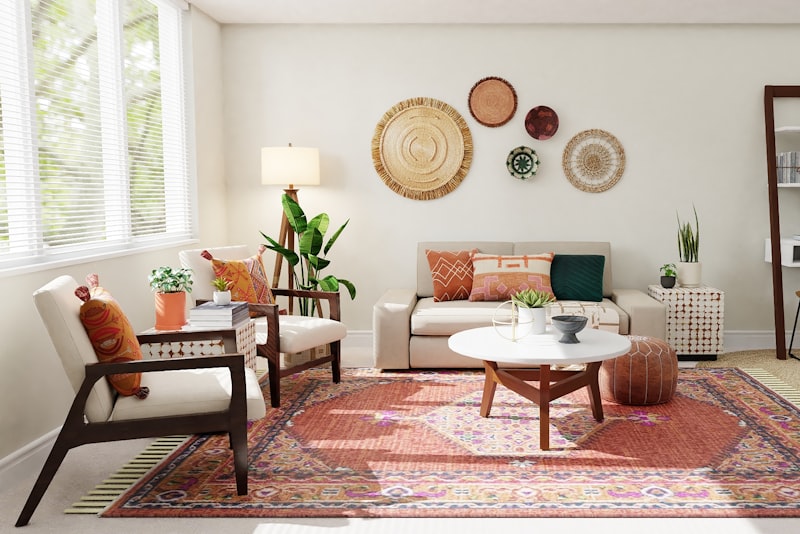
Round and oval tables, with their soft edges, are wonderful in tighter or higher-traffic rooms. With no sharp corners to catch a shin as you walk past, they're a kinder choice in a small space or a home with young children, and their curves add a gentle contrast to all the straight lines a living room tends to have. A round table also pairs beautifully with an L-shaped sectional, filling the inner space without awkward gaps. The trade-off is slightly less usable surface than a rectangle of similar footprint.
Whatever shape you choose, protect the flow of the room by leaving clear walking room all the way around. You want a comfortable gap between the table and the sofa — close enough to reach but wide enough to pass through and to stretch out your legs — and a clear path between the table and anything across from it. A table jammed too close to the seating, or one that forces a detour around the room, undoes all its charm. Map the walkways before you commit, and your living room will feel as easy to move through as it is to relax in.
Decide if you need storage#
A coffee table can be more than a flat surface, and in a lot of homes it should be. Living rooms accumulate things — remotes, magazines, chargers, coasters, the odd toy — and a table with storage gives all of that somewhere to disappear. A model with a lower shelf, drawers, or a lift-up top turns the most central piece in the room into a quiet clutter-tamer, which keeps the surface clear for actual living.
This is especially valuable in a small living room or a studio, where every piece needs to pull double duty. A coffee table with a hidden compartment can swallow blankets and books; a lift-top version rises to become a makeshift desk or dinner tray and then tucks everything away again. If your space is tight, choosing a table that works this hard is one of the smartest moves you can make, packing real function into a small footprint.
If your living room stays naturally tidy or you've got storage elsewhere, a simple open table keeps the look light and uncluttered, and there's real beauty in that restraint. There's no wrong answer — only the table that matches how messy or minimal your real life runs. Weigh your size and proportion, set the height to your seat, choose a shape that flows, and add storage where life demands it. Get those right and the coffee table does exactly what the best furniture does: it grounds the room, earns its keep every day, and never asks you to think about it twice.