A brand-new build or a generic rental can feel a little anonymous — white walls, beige carpet, the same fixtures as every unit down the hall. It's easy to assume that kind of blankness is a dead end, that character only comes with old floorboards and a renovation budget. But character isn't something a home is born with. It's something you add, layer by layer, and almost none of it requires real money or permanent changes.
Understand where character actually comes from#
Before you buy a thing, it helps to know what you're chasing. A home with character feels lived-in and personal — like a real person with a real story put it together, rather than a catalog. That feeling rarely comes from one expensive item. It comes from contrast and depth: a mix of textures, a range of ages, a few imperfect things sitting comfortably beside polished ones.
Plain homes usually lack three things — texture, contrast, and evidence of a person. Notice what your space is missing. A room that's all smooth surfaces and matched finishes reads as flat because there's nothing for the eye to catch on. A room where everything was bought new and at once feels staged because nothing has a history. And a room with no books, no art that means something, no objects you'd reach to save in a fire feels like nobody truly lives there. Once you can name what's absent, adding it becomes simple and surprisingly affordable.
The good news for a tight budget is that every one of those gaps is filled with things, arrangement, and care rather than construction. You're not fighting your home's bones. You're dressing them.
Build in texture and contrast#
The fastest way to wake up a plain room is to stop everything from matching so perfectly. Builder finishes tend toward one uniform note, so your job is to layer in variety the eye can travel across.
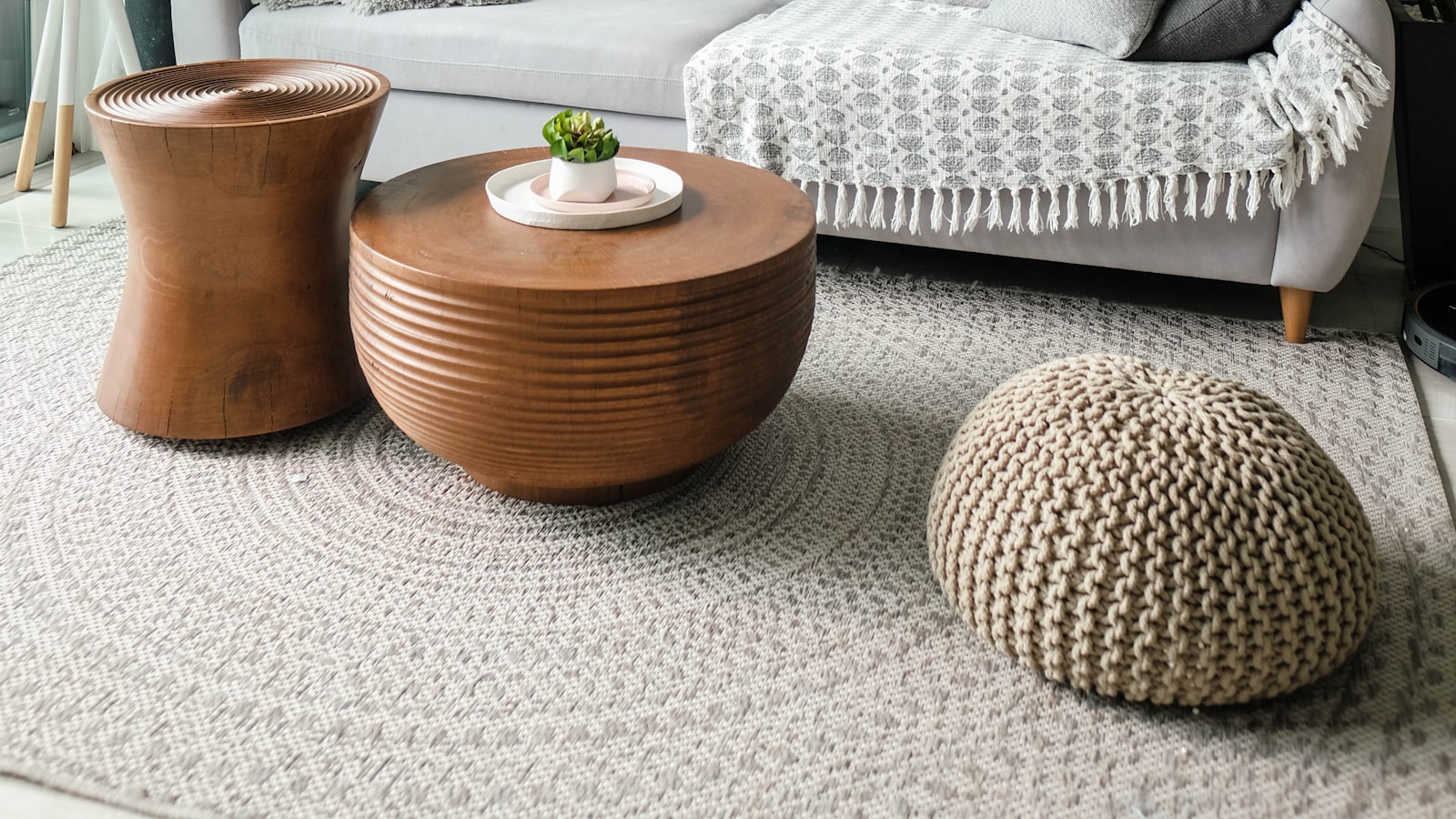
Start with textiles, because they're cheap to change and they soften hard, plain spaces instantly. A nubby throw over a smooth sofa, a flatweave rug under your feet, linen curtains hung high and wide, a stack of cushions in different weaves — each one adds a surface that catches light differently. Then bring in natural materials, which carry character on their own: a wooden bowl, a woven basket holding blankets, a clay vase, branches clipped from outside. Wood, rattan, stone, and ceramic all introduce age and warmth that flat manufactured surfaces can't.
Character lives in the things that don't quite match — the worn next to the new, the rough next to the smooth, the old next to the obviously now.
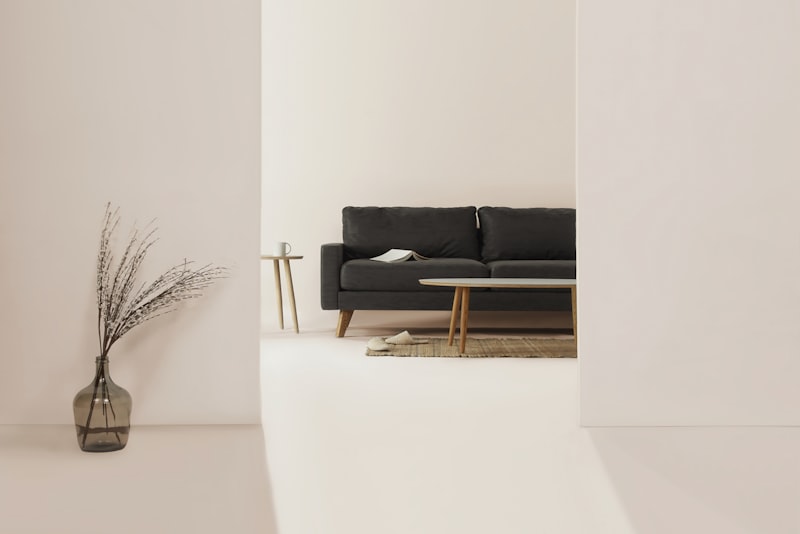
Contrast does the rest. If your walls and floors are pale and uniform, let something go dark or bold — a moody piece of art, a black-framed mirror, a deep-toned cushion. That single point of difference gives the whole room somewhere to land. You don't need many of these moments; a few well-placed ones make a plain room feel composed instead of empty.
Fake architecture and embrace the old#
Generic homes often lack architectural detail — no moldings, no character around the windows, just clean drywall. You can suggest that detail without builders or big money. A row of framed art hung properly draws the eye up and gives a blank wall structure. Leaning a large mirror or oversized print against the wall adds the weight and presence that built-in features usually provide. Tall curtains mounted near the ceiling create the illusion of grander windows. None of this touches the structure, yet all of it reads as intention.
The other half of character is age, and the most reliable source of it is secondhand. New homes are full of new things, so a few old ones do enormous work. Hunt thrift shops, estate sales, and online marketplaces for pieces with patina — a worn wooden stool, a brass lamp, a chipped enamel pitcher, a stack of cloth-bound books. These cost little and bring exactly the lived-in soul a plain room is missing. Mixing one genuinely old find into an otherwise new room makes everything around it look more collected, as if your home gathered its contents slowly over years rather than in one weekend.
Lighting is the quiet finisher. A single bright ceiling fixture flattens a room and announces "rental." Swap in a couple of lamps at different heights with warm-toned bulbs, and the same plain space turns soft and inviting after dark. Plug-in lamps are renter-perfect and one of the highest-impact, lowest-cost changes you can make.
Personalize without losing your deposit#
Character, in the end, is personal — a room feels like someone because it shows who that someone is. So put yourself into the space. Frame photos and prints that actually mean something to you, display objects from your travels or your family, keep the books you love out where you can see them. These are the details that turn a unit into your home, and they cost nothing you don't already own.
If you rent, you can still add plenty of personality while keeping every change reversible. Before you alter anything, read your lease and ask your landlord about what's allowed — getting a quick yes in writing protects your deposit and your peace of mind. From there, lean toward touches that come down cleanly:
- Removable wallpaper or peel-and-stick tile on one small wall or backsplash for instant pattern.
- Adhesive hooks and damage-free hanging strips for art, mirrors, and lightweight shelves.
- Swapped-in textiles, lamps, plants, and a great rug that all move out with you.
If you ever do hang something heavy or use a drill, work safely — find the studs, use a steady ladder, and don't overload a fixing. But honestly, most of the personality in a home comes from softer, simpler moves than that.
A plain home isn't a limitation; it's a clean canvas, and that's a gift. You get to decide what story it tells without fighting someone else's choices first. Add texture so the eye has something to hold, mix in a few old and personal things so it feels lived-in, light it warmly, and let your own taste show without apology. Do that, and the blank box you started with will feel unmistakably, warmly like you — no renovation, and no big budget, required.