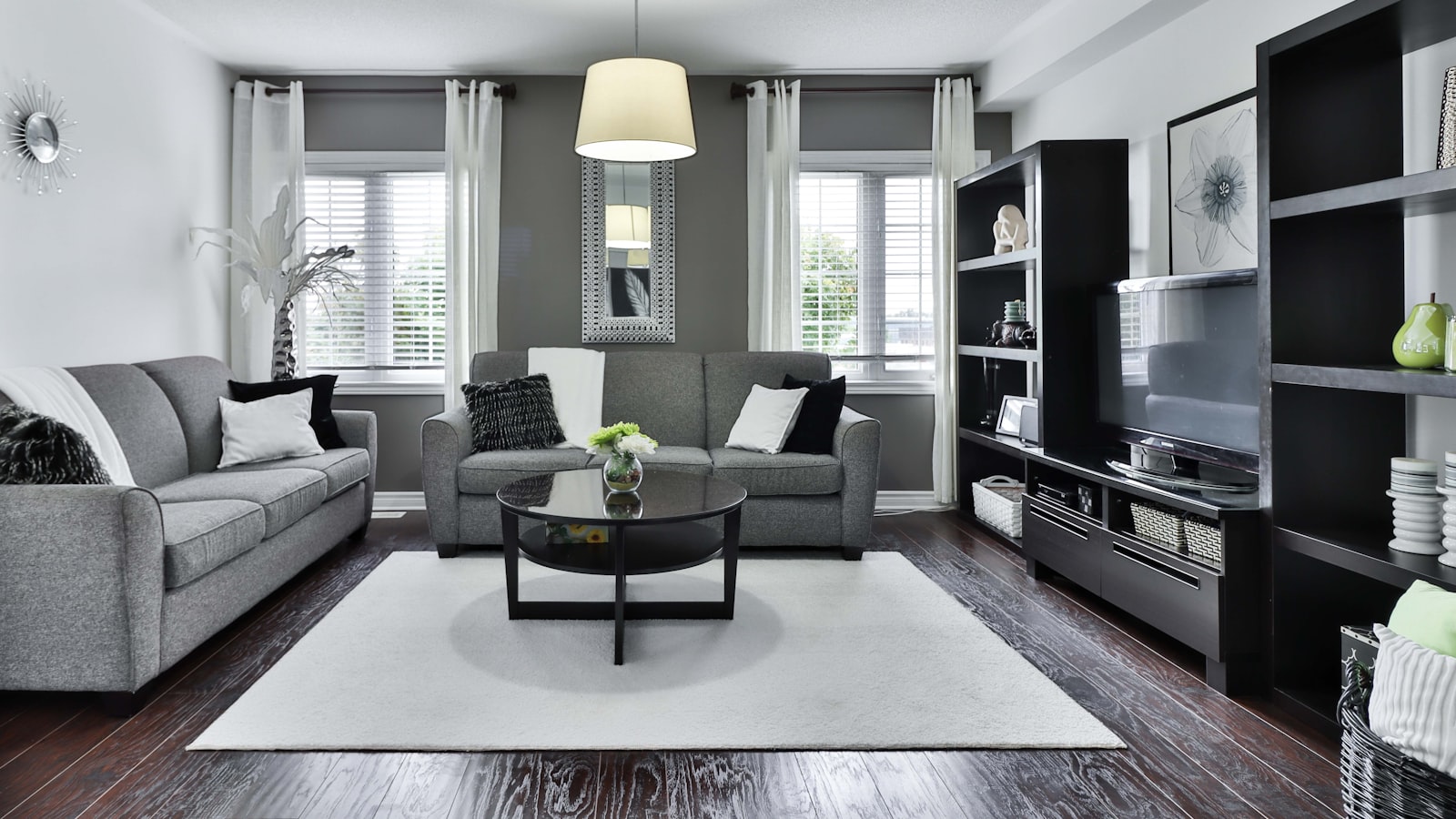
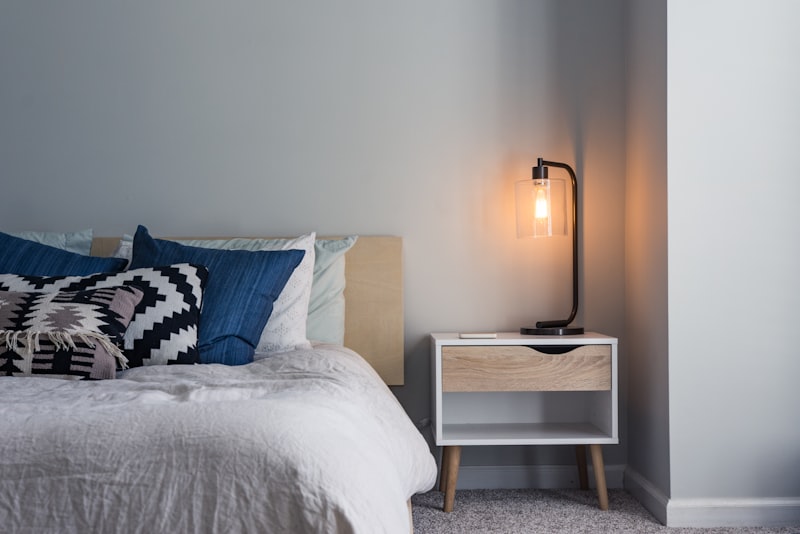
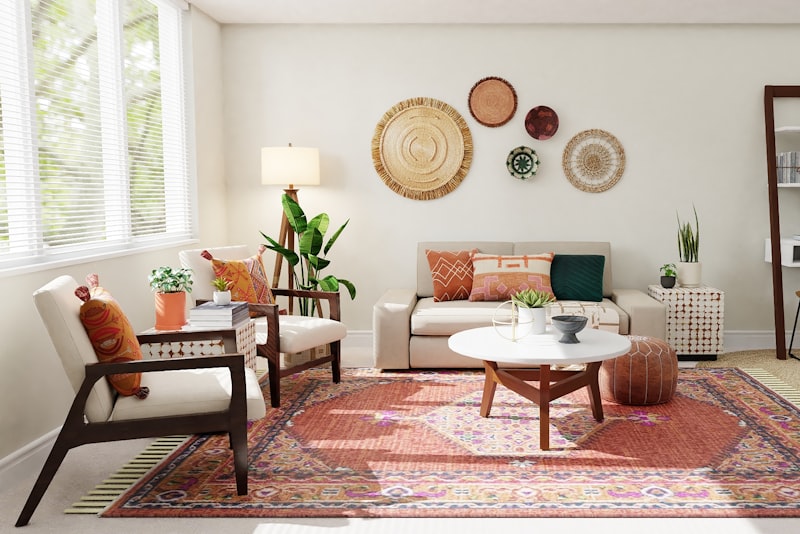
Walk into any room and you can usually feel its mood before you can name a single thing in it. That feeling is what we casually call "style," and the good news is that it is far less mysterious than glossy magazines make it seem. Once you understand a handful of design languages, you can borrow from them freely and build a home that sounds like you.
Why Styles Exist in the First Place#
A design style is really just a shared vocabulary. Over time, certain combinations of color, material, shape, and proportion started showing up together often enough that people gave them names. Scandinavian, minimalist, mid-century modern, industrial, traditional, coastal, bohemian, Japandi: each is a kind of shorthand for a set of choices that tend to harmonize.
Knowing the names is useful because it speeds up decisions. When you can say "I love the warm woods and clean lines of mid-century pieces, but I want softer, cozier textiles than that style usually has," you have given yourself a clear brief. You are no longer wandering a store hoping something jumps out. You are shopping with intention.
But here is the part the rulebooks leave out: no style is a law. They are descriptions of what has worked, not prescriptions for what you must do. The most inviting homes almost always break a few of their own rules on purpose.
The Major Styles, in Plain English#
You do not need an encyclopedia. A working familiarity with a few influential styles will carry you a long way, and most other looks are cousins of these.
- Scandinavian leans on light woods, white and soft neutral walls, cozy textiles, and an easy, uncluttered calm.
- Minimalist strips a room down to the essentials, prizing open space, restraint, and a few quietly excellent pieces.
- Mid-century modern loves warm walnut tones, tapered legs, gentle curves, and a confident pop of color.
- Traditional brings symmetry, layered fabrics, classic silhouettes, and a sense of settled comfort.
- Industrial celebrates raw materials such as exposed brick, metal, and weathered wood.
Read those and you will probably feel a small tug toward one or two. That tug is information. It tells you which direction your eye naturally wants to travel, and your eye is usually wiser than your overthinking brain.
Start with What You Already Love#
Before you commit to a label, do a little detective work on yourself. Look around your current home and pull out the things you genuinely enjoy: a lamp, a worn leather chair, a piece of pottery, the color of a blanket you reach for every evening. Lay them out, even just in photos on your phone, and look for the thread that connects them.
You will often discover you have been gravitating toward a style for years without naming it. Maybe everything you love is warm-toned and a little imperfect, which points you toward rustic or bohemian leanings. Maybe it is all clean and pale, hinting at Scandinavian calm. This exercise keeps you honest. It anchors your choices to real affection rather than a trend you saw once and felt vaguely obligated to chase.
It is just as useful to notice what consistently leaves you cold. If high-contrast, glossy, ultra-modern rooms make you tense, that is worth knowing before you talk yourself into one because it photographs well. Your dislikes narrow the field as helpfully as your loves do, and they tend to be even more reliable. Pay attention to the rooms you linger in when you visit other people's homes, and the ones you are quietly glad to leave. Those instincts are your taste speaking plainly, and learning to trust them is half the work of decorating well.
The most personal homes are not copied from a single style; they are assembled from the things their owners could not stop loving.
How to Mix Styles Without Making a Mess#
Here is where people get nervous, and where they shouldn't. Combining styles is not only allowed, it is how rooms gain personality. The trick is to give the mixture something to hold onto so it reads as intentional rather than accidental.
Three quiet anchors do most of the work. First, keep a consistent color story; if your palette stays within a related family, wildly different pieces will still feel like relatives at the same table. Second, repeat a material or two, such as a single wood tone or a recurring metal finish, so the eye keeps finding familiar notes. Third, mind your proportions, letting a few pieces breathe rather than crowding everything to the same size.
With those anchors in place, you can pair a sleek modern sofa with a heirloom rug, or set an industrial shelf against a soft, traditional armchair, and the room will feel curated. Designers call this an eclectic approach, and done with a little care it is one of the most forgiving ways to decorate. If a combination ever feels off, remove one thing rather than adding another. Subtraction solves more design problems than people expect.
Let Your Home Guide You Too#
Your space has opinions, and it pays to listen. A light-flooded apartment with big windows practically begs for an airy Scandinavian or minimalist treatment, while a cozy older home with rich woodwork can carry deeper, more traditional or layered looks beautifully. Working with your home's natural character is far easier, and far more satisfying, than fighting it.
The same goes for how you actually live. A household with kids, pets, and frequent guests will be happier with durable, washable, forgiving choices than with anything precious and fussy, no matter how stylish it looks in a photo. Style should make your daily life feel better, not place it under guard.
One practical note: if a look you love depends on knocking out a wall, moving plumbing, or rewiring lights, bring in a licensed professional before anything is committed. The right tradesperson protects both your safety and your budget, and the inspiration stays intact.
Finding your style is less a single decision than an ongoing, enjoyable conversation between you and your rooms. Start with the pieces you cannot stop loving, borrow the ideas that move you, ignore the snobbery, and trust that your taste is allowed to evolve. The goal was never to match a magazine. It was always to design the home you love, one confident, personal choice at a time.