Walk into a room that looks expensive and you'll assume it cost a fortune — but more often than not, it didn't. The polished, high-end feeling we associate with money is really the result of a handful of habits anyone can learn: editing, good light, a calm palette, and attention to detail. None of those require a big budget. They require an eye, and an eye is free.
Edit ruthlessly — clutter reads as cheap#
If there's one thing that separates a room that looks expensive from one that doesn't, it's restraint. High-end spaces breathe. They have empty surfaces, room around objects, and a sense that everything present was chosen rather than accumulated. Cluttered rooms, no matter how nice the individual pieces, read as chaotic and cheap because the eye can't rest anywhere. The single most expensive-looking change you can make costs nothing at all: take things away.
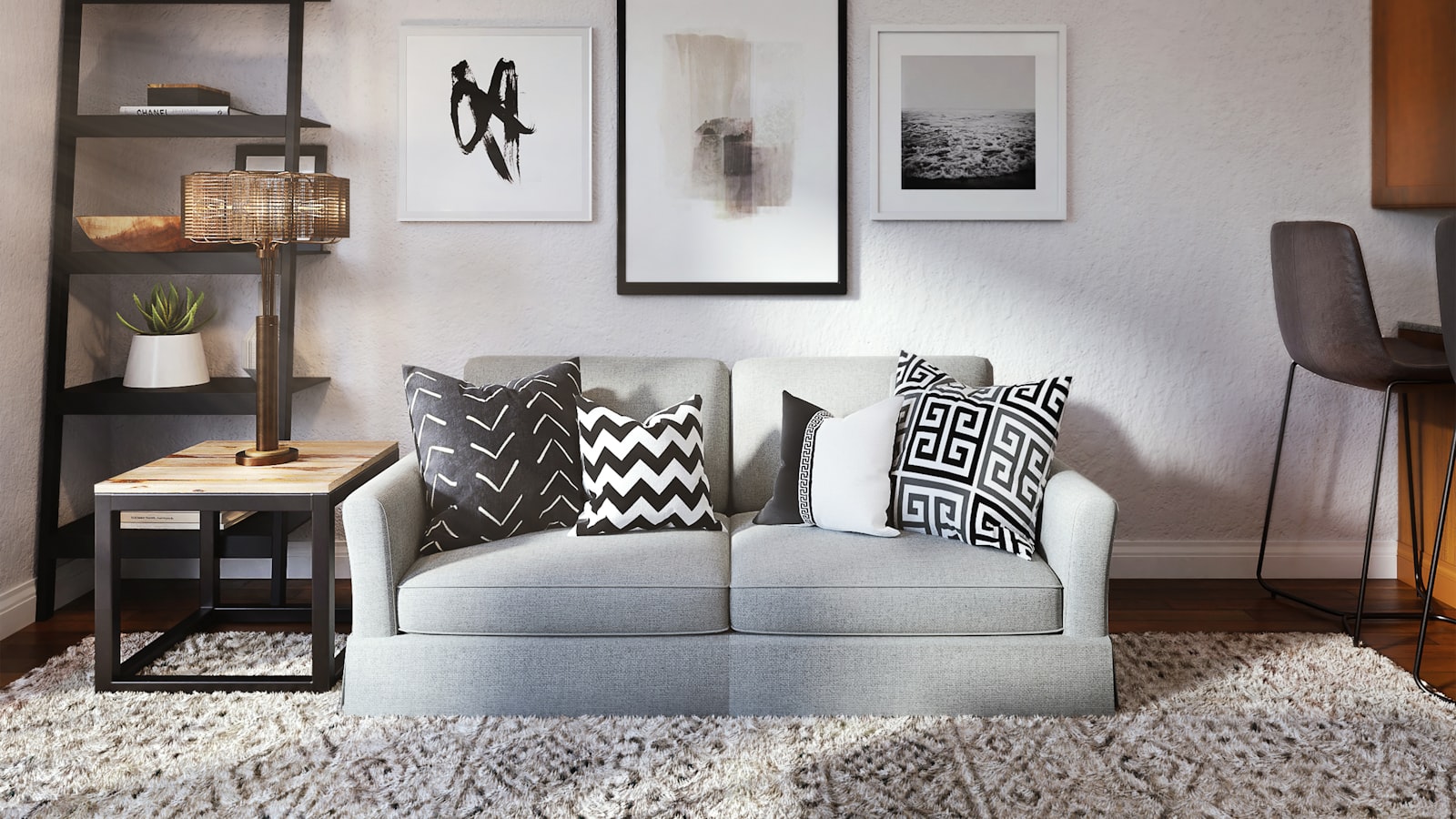
Go surface by surface. Clear a console, a shelf, a coffee table completely, then put back only a few things you genuinely love, grouped with a little space around them. That negative space isn't a void waiting to be filled — it's a luxury in itself, and it's exactly what makes the remaining pieces feel curated and important. A lamp, a stack of books, and a single sculptural object on an otherwise bare surface will always look more expensive than the same surface crowded with ten things.
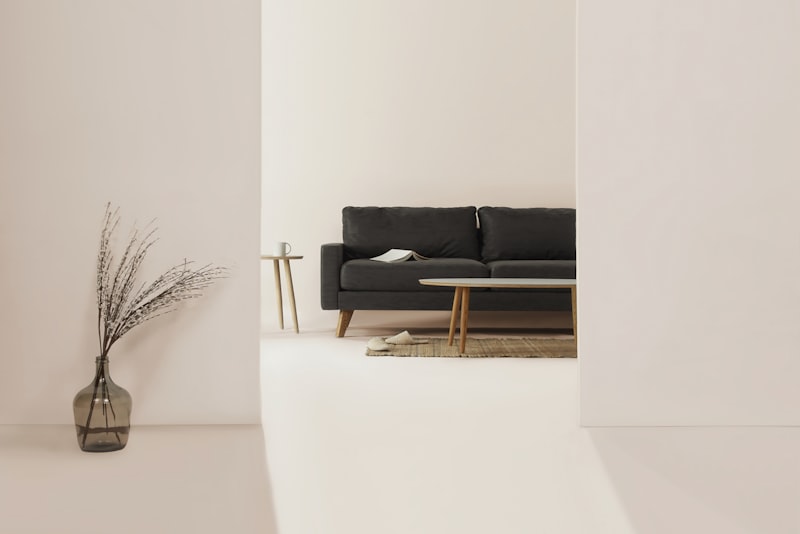
This restraint extends to how you style what stays. Group objects in odd numbers, vary their heights, and resist the urge to fill every gap. The discipline of leaving things out is the whole secret, and it's why a minimalist's modest room can feel more luxurious than a maximalist's costly one. Spend nothing, remove plenty, and watch the room rise.
Light it like a luxury hotel#
Nothing announces "cheap" faster than a single harsh ceiling light flattening a room into a flat, shadowless box. And nothing announces "expensive" faster than warm, layered light. Notice how upscale hotels and restaurants are lit: never one bright overhead glare, but many small, soft sources at different heights, casting gentle pools of warmth. You can recreate that feeling for the price of a few lamps and the right bulbs.
The move is simple. Turn off, or turn down, the overhead light, and bring in lamps instead — a floor lamp in a corner, table lamps on either side of a sofa or bed, perhaps a small accent lamp on a shelf. Fit them all with warm-toned bulbs rather than cold white ones, because color temperature alone can make the difference between a space that feels like an office and one that feels like a retreat. Layered light flatters everything it touches: your furniture, your walls, and the people in the room.
Cheap rooms have one bright light overhead. Expensive-looking rooms have several soft ones at different heights, all of them warm.
Dimmers, where you can add them, take this even further by letting you dial the mood to the moment, though even fixed lamps on a few different switches give you flexibility. If you rent or want anything hardwired, check your lease, talk to your landlord, and bring in a licensed electrician for the wiring. But the plug-in version — lamps and warm bulbs — needs no permission and no professional, and it's quite possibly the highest return on the least money in all of decorating.
Choose a calm, cohesive palette#
Expensive-looking rooms tend to feel calm, and calm comes from cohesion. When a space is full of competing colors and finishes, it reads as busy and unconsidered no matter how much each piece cost. When the colors relate to one another — a restrained palette of a few tones that repeat around the room — the whole space feels intentional, serene, and far costlier than it is. Cohesion is something you arrange, not something you buy.
Start by settling on a quiet base: soft neutrals, warm whites, gentle earth tones, or muted shades that flatter one another. Let that base carry the large surfaces — walls, sofa, rug — and then add personality through a small number of accent colors that you echo in a few places so the eye travels smoothly around the room. A handful of ways to build that cohesive, high-end calm:
- Limit your palette to two or three main colors and repeat them deliberately around the space.
- Echo materials and tones — a little wood, a little metal, a little linen — so finishes feel like a family.
- Treat a fresh coat of paint as your cheapest upgrade, since color unifies a room faster than anything else.
Paint deserves the spotlight, because no other affordable change transforms a room so completely. A considered wall color, or even just clean, freshly painted trim and ceilings, instantly makes a space feel cared for and complete. If you rent, check your lease and ask your landlord first; if you paint, ventilate the room well and take basic care with ladders and tools. The cost is small and the payoff is enormous.
Sweat the details that signal quality#
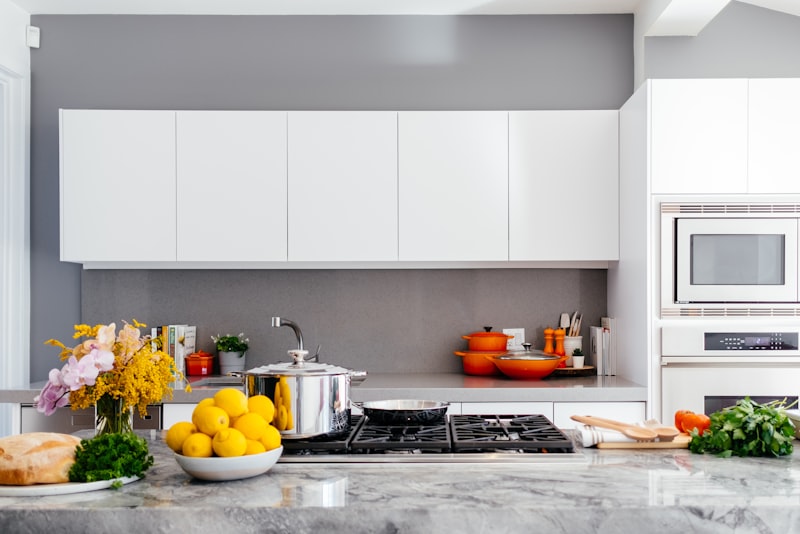
The final layer of an expensive look lives in the details — the small, often overlooked things that quietly signal quality. Dated cabinet and drawer hardware is a giveaway, and swapping it for something simple and well-made updates a whole kitchen or dresser for very little. Skimpy curtains hung low and narrow shrink a room; hanging fuller panels high and wide, so they nearly brush the floor, makes windows look grand and ceilings look taller. These are modest changes with outsized impact.
Texture is the other quiet luxury. Expensive rooms layer materials you want to touch — a chunky knit throw, a linen cushion, a wool rug, a smooth ceramic vase — and that tactile richness reads as depth and warmth far beyond its price. You don't need costly versions; you need a variety of textures that play against one another. Add a few real, living plants, keep everything genuinely clean, and the room gains a finished, well-tended polish that no single big purchase could provide.
None of this is about fooling anyone. It's about understanding that the look we call "expensive" is really a look of care — edited, well-lit, color-considered, and attentive to detail. Master those habits and your home will feel calm and high-end on any budget, because you'll have spent the one currency that actually creates luxury: thoughtful attention. That's a richness anyone can afford, and it's the kind that lasts.